Too Hip to Hop Bunny: A Designer's Craft Fair Review
As an embroidery designer preparing for a weekend craft fair, every design file gets a practical review. You're not just looking for cute art; you're evaluating a business asset. The Too Hip to Hop Bunny Embroidery Design lands on my screen with a specific mission: to become profitable, attention-grabbing products on my booth table. Let's break down its real-world potential.
First Impression: Trendy Fun Over Traditional Easter
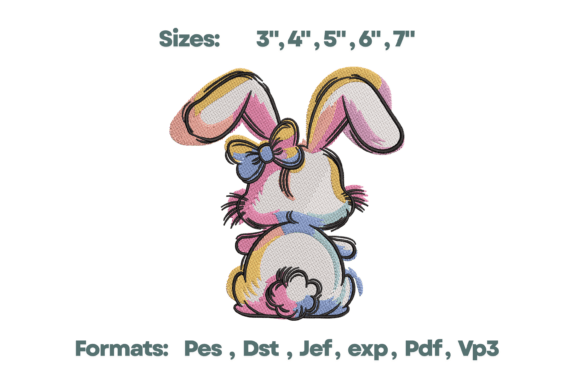
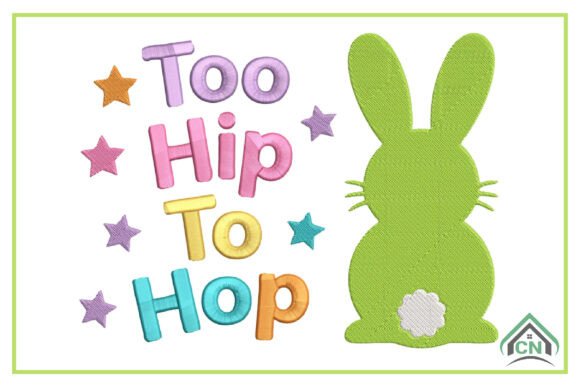
The title Too Hip to Hop immediately sets a tone. This isn't a rustic, farmhouse bunny or a soft, minimalist sketch. It suggests attitude, a modern twist on a classic motif. For craft fair customers, this can be a key differentiator. In a sea of traditional Easter items, this design promises a fun, trendy touch, appealing to buyers looking for something fresh and slightly witty. It feels decorative and bold, likely using clean lines and a contemporary style that reads as premium and intentional, not just seasonal.
Performance on Key Craft Fair Products
My booth display is a mix of high-turnover and high-value items. I visualize where this machine embroidery design would shine.
Stars of the Show: Totes, Bags, and Wearables
For the Too Hip to Hop Bunny Embroidery Design, a canvas tote bag or a market bag is likely its best stage. The design probably has enough visual weight to be a focal point on a large surface. On a denim apron or a cotton cap, it becomes a statement piece—the "hip" vibe translating perfectly to wearable fun. As an embroidered patch, it offers versatility; customers love patches for customization, and this trendy bunny could attract both adults and teens.
Home Decor and Giftable Items
A pillow cover or a fabric pouch with this bunny moves it from purely seasonal to year-round decorative. The modern aesthetic means it might not scream "Easter-only," extending its shelf life in a customer's mind. On a tea towel, however, careful evaluation is needed. Tea towel embroidery requires considering fabric texture and practical use. Dense stitch areas on a textured towel can be tricky. A smaller, well-placed version on a corner could work beautifully.
Small Accents and Baby Items
The description mentions baby outfits. Here, practicality is paramount. Tiny details or very small lettering can lose clarity and durability on small garments. This design must be tested at a reduced size to ensure the core concept—the "hip" bunny—remains clear and stitch-safe.
Practical Production & Selling Points
Turning a digital embroidery file into a sellable handmade product involves a checklist.
Visual Clarity and Customer Grab
At a craft fair, products must communicate their value in seconds. The Too Hip to Hop Bunny Embroidery Design needs to be instantly understandable. Does the "too hip to hop" concept translate visually in the bunny's posture or style? If so, it creates a quick smile and connection, boosting buyer engagement. This is also critical for Etsy seller listings; the design must photograph well, with good contrast that pops even in a thumbnail image.
Batch Production Friendliness
For me, repeatability is key. Designs with moderate stitch density and clear color sections allow for efficient batch production of, say, a run of tote bags. I look for designs that don't have overly dense fill areas that consume time and thread without adding perceived value. I'd advise checking the actual stitch count and hoop size recommendations for this file before planning large batches.
Fabric and Application Considerations
Thread colors and contrast are vital. On dark fabric backgrounds, the design might need a bright underlay or careful color selection to maintain its punch. Always test on scrap fabric first. Curved surfaces like caps demand the right stabilizer to prevent distortion. For textured towels or thick fabrics, a test run is non-negotiable to ensure clean stitches.
Boosting Booth Display and Brand Value
A strong design strengthens your entire booth. A cohesive set of products featuring the Too Hip to Hop Bunny Embroidery Design—say, a tote, a cap, and a patch displayed together—creates a mini-collection that feels professional and increases perceived handmade quality. It tells a story of thoughtful curation, not random application. This builds brand consistency for your small shop product line.
For craft fair product display, the best mockup is a real one. Create at least one finished, high-quality item to judge its physical presence. Does it draw the eye from a few feet away? Compare it on different fabric colors to offer variety at your booth. This tangible sample is also your best design asset for creating printable mockups for online stores later.
Final Designer Notes Before Hooping
Before I commit this design to production for commercial embroidery, my final checklist is practical:
- Confirm the commercial licensing terms of the Too Hip to Hop Bunny Embroidery Design file. Never assume.
- Run a test on the actual materials I plan to sell: standard cotton for totes, apron twill, tea towel linen.
- Inspect stitch density in detailed areas. Are there spots that might cause puckering or require excessive trims?
- Review spacing and layout. Does it sit well on the product? For a tote bag, is it centered pleasingly?
- Plan thread inventory. Does the design use specialty colors I need to order?
- Create a production plan. Which products will I make first based on likely speed of sale?
The Too Hip to Hop Bunny Embroidery Design has inherent appeal. Its trendy, fun positioning makes it a candidate for standout success at a handmade market. By methodically testing its application, respecting production limits, and showcasing it on its strongest products—like bold tote bags and stylish wearables—you transform a digital file into a craft fair revenue generator. Remember, the design is a blueprint; your skill and strategic product choice build the final, sellable masterpiece.