Cute Sitting Fox Embroidery Design – Craft Fair Review
Every seasoned embroidery designer knows that choosing the right file for a craft fair booth isn’t just about picking something cute on screen. It’s about stitch quality, visual punch from three feet away, and how easily a design turns into a product people want to grab and buy. This weekend I’m testing the Cute Sitting Fox Embroidery Design for my own table setup, and I’m going to walk you through exactly how this little woodland character holds up under real handmade business pressure. If you sell on Etsy, pack your Saturdays with farmers’ market tents, or fill boutique shelves with stitched gifts, this review is written for you.
First Impression: Soft, Modern Nursery Charm That Pops
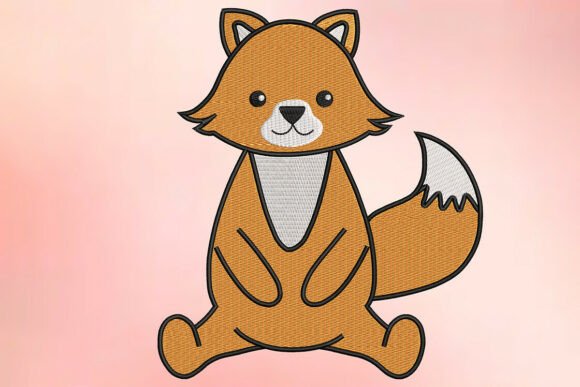
Right away, the Cute Sitting Fox Embroidery Design lands in that sweet spot between simple and expressive. It doesn’t try to be a hyper-realistic wildlife portrait. Instead, it gives you a clean, stylized sitting fox with gentle curves, a slightly tilted head, and an overall shape that reads almost like a storybook illustration. The category is Nursery, and honestly that makes perfect sense—the mood is cozy, modern, and slightly Scandinavian. But don’t let that label box you in. This fox would look equally at home on a kitchen apron, a canvas tote, or a child’s denim jacket. It’s the kind of design that stops a passing customer and makes them smile before they even check the price tag.
The description mentions the file has been manually digitized for a quick, smooth stitch-out, and that immediately earns trust. Anyone who has wrestled with poorly auto-digitized designs knows the pain of excessive trims, skipped stitches, and distorted shapes. Manual digitizing usually signals fewer density issues, cleaner pathing, and a final result that respects your machine—and your time. While no specific stitch count is given, the preview suggests a balanced fill with enough detail in the face and tail to feel professional without becoming a thread-eating monster. This matters big when you’re stitching dozens of items for inventory.
Where the Fox Shines in a Craft Fair Booth
I constantly ask one question before adding a new machine embroidery design to my production rotation: Which products will make this design look like it was made for them? With the Cute Sitting Fox Embroidery Design, the answer comes easily. It thrives on soft goods that customers expect to find in a handmade market environment.
Linen Tea Towels and Kitchen Textiles
A single fox near the corner of a flour sack tea towel instantly upgrades that piece from plain utility item to giftable kitchen decor. Because the design is fairly compact and appears to have clean outlines, it translates well onto the slightly textured weave of linen or cotton-linen blends. Pair it with a simple hand-stamped tag and you’ve got a small-shop product that sells for a premium in farmhouse-style booths. The key here is choosing thread colors that stay visible against off-white or natural fabric tones—rust orange, soft charcoal, and creamy white preserve the fox’s face without blending into the background.
Canvas Tote Bags and Market Bags
Tote bags remain one of the best-selling items at any craft fair, and the Cute Sitting Fox Embroidery Design turns a blank canvas tote into an instant eye-catcher. Position the fox slightly off-center, maybe with a tiny sprig of greenery or just as a standalone focal point. The design’s rounded silhouette fills a 5x7 hoop beautifully without overpowering the bag. It reads as intentional, modern, and slightly whimsical—exactly what buyers reach for when they want a bag that doesn’t look mass-produced. From a production standpoint, canvas is stable and forgiving, so this is a great product to test stitch density and tension before moving to trickier fabrics.
Embroidered Patches for Jackets, Caps, and Backpacks
Here’s a thought many booth visitors don’t expect: turn the Cute Sitting Fox Embroidery Design into iron-on or sew-on patches. By stitching the design onto felt or twill with a dense satin border, you create a mini collectible. Kids, teens, and adults who love woodland animals snap these up. On a curved cap surface, you’ll want to position the fox carefully—keep the design area flat, and test on a structured cap frame to avoid distortion around the fox’s eyes and snout. But once dialed in, patches sell repeatedly because they’re low-commitment, high-charm add-ons at checkout.
Baby and Nursery Items
Given the Nursery category on the listing, it’s impossible to ignore the obvious: crib sheets, baby bibs, plush blankets, and nursery pillow covers. A sitting fox motif feels gentle and gender-neutral, fitting into modern boho, woodland, or minimalist nurseries. The small scale makes it ideal for bib corners, and the relatively flat stitch texture (presuming good digitizing) won’t irritate sensitive skin when backed properly. If your booth leans heavily into baby and children’s goods, this design builds immediate brand consistency. Group it with a deer, a bear, or a raccoon, and suddenly you have a full forest collection that young parents can’t resist.
Practical Selling Points That Drive Real Revenue
Let’s get down to what matters when the tables are set up and the customers are browsing. The Cute Sitting Fox Embroidery Design has several traits that directly influence sales.
- At-a-glance recognition. Even from across the booth, a customer knows it’s a fox. That split-second emotional connection—warmth, childhood nostalgia, nature—pulls them closer.
- Repeatable production workflow. The design stitches smoothly according to the description, which means you aren’t stopping every 10 minutes to fix thread breaks. For batch production of tea towels or pouches, that consistency is gold.
- Pairs beautifully with mockups. When you list the finished product on Etsy or Instagram, a cleanly digitized fox photographics sharply. You can easily create a printable mockup for your shop by styling a tote bag flat lay with some dried flowers and a cup of coffee. The design carries the scene.
- Versatile size usage. It works as a small accent on a baby onesie or a large focal design on the front of a linen pillow cover. The same design file serves multiple product categories, which stretches your investment.
Careful-Use Notes Every Maker Should Heed
No machine embroidery design is foolproof, and honest testing reveals where you need extra attention. With the Cute Sitting Fox Embroidery Design, here are the points I would watch closely before running a full production batch.
- Dark fabric contrast. On charcoal, navy, or black cotton, the fox’s orange body might still show up, but the white facial details and inner ear could wash out. Test on your exact fabric color with the thread palette you choose. Sometimes swapping white for a light cream or adding a subtle underlay helps the face stay crisp.
- Textured towels and woven fabrics. On a terry kitchen towel, the loops can swallow fine details like the fox’s nose or whisker points. Use a water-soluble topper to keep the surface smooth, and pick a stabilizer that suits the fabric’s stretch. A tight-weave tea towel will always give you cleaner results than a fluffy hand towel.
- Curved surfaces like caps. As mentioned, the sitting fox silhouette needs a flat, well-hooped area. If you’re new to cap embroidery, do a test on a cheap cap first. Watch for any pulling around the eyes, which are crucial for the expression. A slight mis-registration can make the fox look startled instead of sweet.
- Small-scale reduction. If you shrink the design drastically to fit a tiny patch or a collar accent, check whether the stitch density remains intact. Overly reduced elements—especially the tail’s texture or the face details—may turn into a messy thread blob. Stick close to the original size recommendation or run a stitch-out sample before committing your best fabric.
Visual Appeal and Customer Engagement in the Booth
A booth full of embroidered goods can easily look chaotic if no unifying thread ties it together. The Cute Sitting Fox Embroidery Design gives you a strong anchor piece. I’d display it prominently on a soft Stonewashed linen pillow cover in the center of the table, surrounded by smaller fox-adorned pouches, bibs, and patches. The repetition of the same motif creates a collection feel even if the base products vary. Shoppers naturally want to buy into that story—they’ll pick up a tea towel and say “I saw the fox on that tote, now I want both.” That’s how you boost average order value.
Color choice also plays a huge role in perceived product value. If you stitch the fox with premium, slightly textured thread (like a matte poly or even a rayon with a soft sheen), the finished item looks expensive. Contrast that with a cheap shiny thread, and suddenly even the best digitizing can’t save the handmade feel. I always recommend testing at least two thread palettes—one natural and realistic, one playful with teal or mustard accents—to see which draws the most “oohs” from quick booth glances.
Designer’s Production Checklist Before You Sell
I never take a new digital embroidery file straight to finished inventory without running through a short mental checklist. For the Cute Sitting Fox Embroidery Design, these steps will protect your reputation and your profit margin.
- Stitch-out on two different fabrics. Test on a stable cotton and a slightly textured or stretchy blend. Compare results and note any instability or shifting.
- Confirm hoop size compatibility. Measure the design’s actual dimensions (the product description may list them, but if not, load the file into your software). Make sure it fits your most-used hoop comfortably with room for alignment.
- Review stitch density and pathing. Watch for any areas that seem too heavy, particularly around the fox’s tail base or the ear joints. If your machine labors or the fabric puckers, you might need to adjust stabilizer or hoop tension.
- Choose the right stabilizer. A medium-weight cutaway stabilizer works for most woven goods. For knits or babywear, consider a no-show mesh to keep the back soft. Always err on the side of stable backing—nothing ruins a sale faster than a puckered design.
- Create a real-life product mockup. Stitch one final sample on the exact product base you intend to sell. Photograph it in natural light, near a window or outdoors, styled as if for an Etsy listing. This single image will sell your work online and helps you see the design with fresh eyes.
- Check commercial licensing. Before you stamp this fox onto tote bags for a market, confirm that the original file permits commercial use on finished physical products. Most digital sellers include this, but always verify. Selling a completed item created from an unlicensed file can land you in legal trouble, especially as your handmade business grows.
Final Booth-Ready Verdict
From the perspective of an embroidery designer who lives and breathes craft fair seasons, the Cute Sitting Fox Embroidery Design is a strategic addition to a product lineup. It hits the handmade sweet spot: professional digitizing, immediate visual warmth, and enough versatility to stretch across at least five different product types without losing its identity. Whether you’re an Etsy seller who needs a repeatable bestseller, a boutique maker curating a woodland-themed collection, or a weekend-warrior with a canopy tent and a dream, this design delivers. Take the time to test it properly, pick your thread colors with intention, and watch as customers pick up your fox-adorned tea towels and say “I need this.” That’s the power of a well-chosen embroidery file—it turns fabric and thread into pure customer connection.