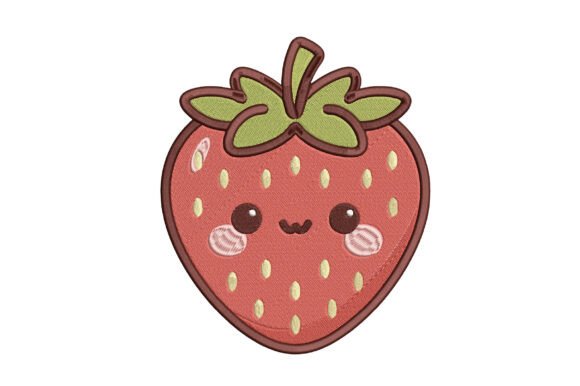
Cute Kawaii Strawberry Embroidery Design
First Impressions: Why This Cute Strawberry Design Stands Out
When I opened the preview of this Cute Kawaii Strawberry Embroidery Design, the immediate word that came to mind was approachable. It’s not trying to be a complex botanical study or a hyper-realistic fruit. Instead, it leans fully into a soft, modern kawaii personality with a smiling face, gentle blush cheeks, and what I expect is a clean satin stitch finish. That kind of instant emotional connection is what makes a machine embroidery design sell well in a bustling craft fair environment. Shoppers don’t have time to study intricate stitching from across the aisle — they react to mood. And the mood here is undeniably sweet, playful, and nursery-friendly.
For sellers who specialize in handmade product lines for babies, kids, or anyone who loves cheerful accessories, this design hits a perfect note. It reads as cute without being childish, and that is a valuable line to walk. I could see it working on a crisp white cotton tea towel just as naturally as on a soft pastel baby bib. The face — with what I assume are tiny embroidered eyes and a little smile — will draw people in. And honestly, designs that feature faces tend to have a higher engagement rate at market stalls because they create a tiny moment of connection with the shopper. That’s exactly what you want when you’re staging a booth full of craft fair product options.
Best Products for Craft Fair Sellers Using This Embroidery Design
Not every embroidery file belongs on every blank. A huge part of my pre-production judgment is matching the mood and shape of the design to items that feel intentional. With the Cute Kawaii Strawberry Embroidery Design, I immediately rule out heavily distressed denim, coarse burlap, or anything that fights the clean kawaii look. Instead, I think about smooth surfaces, light backgrounds, and products that feel gentle to the touch. This design naturally calls out for small to medium-sized craft fair product pieces: mini tote bags, zipper pouches, baby bodysuits, bibs, and even simple canvas market bags. It also works brilliantly as a standalone embroidered patch if the stitch density holds up well on the edges.
Because the strawberry character is compact and symmetrical, it can serve either as a modest accent — say, tucked into the corner of a flour sack towel — or as the central hero element on a small pouch. For an Etsy seller shooting flat lay photos, it becomes an instant thumbnail magnet. Bright red and soft pink tones photograph beautifully under natural light, and that helps boost perceived handmade quality even before a customer touches the finished item.
Nursery and Gift Items That Draw Immediate Attention
Given the Nursery category, this design easily earns a spot in any baby-focused product lineup. When I think about a weekend market, parents and gift shoppers are always browsing for something unique. The kawaii strawberry with its gentle smile feels tailor-made for a set of three matching burp cloths, a plush minky blanket corner, or a soft cotton baby hat. The blush cheeks against a light pink or mint green fabric create that pastel harmony shoppers associate with newborn photography props.
However, never overlook the value of giftable handmade products outside the nursery aisle. A small lavender sachet with this strawberry stitched on the front becomes an impulse buy at the register. A simple zipper pouch with the design can hold pacifiers, makeup, or coins. It’s versatile enough that a customer might pick it up for a baby shower, but also grab a second one just because it makes them smile. That dual-purpose nature is pure profit for commercial embroidery makers at craft fairs.
The Patch and Small Pouch Edge
If I were planning my booth layout right now, at least one full display basket would be dedicated to patches and small pouches featuring this Cute Kawaii Strawberry Embroidery Design. Embroidered patch sales have skyrocketed at the handmade markets I attend. Shoppers love the ability to add personality to a jacket or backpack without committing to a permanent clothing choice. A well-made patch with clean satin edge stitching and a happy little face inside is a proven seller. For best results, I’d run the design on felt or twill with a strong iron-on backing and offer a few ready-to-sew versions too.
Small flat zipper pouches, especially those made from cotton-linen blends, give the strawberry a clean stage. The design can sit slightly off-center or perfectly in the middle depending on your preferred aesthetic. I find that slightly offset placement gives a more modern, curated look. Because these pouches are fast to sew and the embroidery file itself likely stitches quickly, you can batch produce them in an afternoon — ideal for a small shop product that recovers its production cost fast.
Technical Stitching Check: What Works, What Needs Care
Every experienced embroidery designer knows that a cute visual preview doesn’t always translate into a flawless stitch-out. With this design, I’d pay close attention to the small facial details. The smile and eyes are likely going to be tiny satin stitches or perhaps single-run stitches. If they’re too small, they might turn into thin, fragile threads that don’t survive a first wash — or worse, they might not form at all on a slightly textured fabric. I always recommend testing on a scrap of the exact fabric and stabilizer combination you plan to use for production.
The strawberry body appears to use a clean satin stitch fill. Satin stitches look gorgeous because they catch the light, but they also create dense areas. If the digitizing isn’t properly compensated, a large solid satin section could cause puckering on lightweight cottons or cause the fabric to tunnel around the design. For a craft fair product that needs to look crisp on a hanger, those small imperfections show up immediately. Test before you cut into your good blanks. The stitch density and underlay will determine whether the final piece lies flat or warps.
Stabilizer, Fabric, and Thread Color Matching Notes
Matching the right stabilizer to each product type is non-negotiable. A baby bodysuit in stretchy cotton spandex needs a firm cut-away stabilizer to keep the strawberry from distorting when stretched. A tea towel requires a tear-away plus a water-soluble topper to prevent the loops from swallowing the satin stitches. For a canvas tote bag, a medium-weight tear-away usually works well, but I sometimes add a light fusible mesh if the fabric is soft.
Thread color selection also demands thought. The strawberry’s blush cheeks might use a soft pink that could disappear against a pink fabric. If you’re stitching on a pastel rose blank, consider whether the contrast still holds up. I always recommend keeping a few thread swatches handy and comparing them directly on different fabric colors. A dark fabric like navy or charcoal will obscure the delicate face details entirely — this design truly demands a light or mid-tone background to keep the cute readable at a distance. For digital embroidery file users, this is your reminder that thread colors on screen are a starting point, not a final decision.
Craft Fair Booth Presentation: Making the Cute Factor Sell
I treat booth staging as part of the product design process. When I look at the Cute Kawaii Strawberry Embroidery Design, I see opportunity for a dedicated “sweet studio” display — pastel tablecloths, woven baskets, maybe a small vase of artificial strawberry blossoms. The key is to use the design’s personality to attract the right customer at ten feet away. A tote bag featuring this strawberry on the front corner, hanging at eye level, will stop a parent pushing a stroller. A set of three matching tea towels folded with the embroidery facing outward creates a gifting narrative.
For Etsy sellers and small shops that also sell online, this design photographs beautifully against a simple white wooden board or inside a minimal styled flat lay with textured fabric swatches. The smile and blush cheeks catch the eye in a sea of faceless designs. Use that emotional pull to your advantage in product mockups. One of my favorite printable mockup strategies is to show the strawberry on a plain organic cotton pouch with a handwritten-style tag beside it. It instantly communicates handmade care and modern nursery charm.
Batch Production and Repeatability: A Maker's Perspective
When I’m judging an embroidery design for market production, repeatability matters almost as much as the actual stitching. A design that constantly breaks needles or stops for every micro-color change will kill your production flow and eat into your profit. The Cute Kawaii Strawberry Embroidery Design, assuming it’s cleanly digitized with minimal trims and efficient color sequencing, should be a fairly speedy stitch. The main body in one color, leaves in green, face details in black or dark brown, and a tiny pink for the blush — that’s four to five thread changes, which is smooth if the sequence groups same-color sections.
For batch work, I would do a single full test sew-out, fine-tune the tension and thread choices, then run ten to twenty identical pieces in one session. Keep your stabilizer pre-cut, your threads pre-loaded, and your hoop rotation fast. Before long you’ll have a stack of cheerful strawberry patches or a row of ready-to-gift pouches. The design’s relatively small footprint also means less risk of a major misalignment ruining a full tote bag. It’s forgiving enough for a repetitive production line while still delivering high visual impact.
The Final Check: What Every Seller Should Do Before Production
Every professional embroidery designer keeps a mental checklist before adding any new design to their inventory. I don’t just assume a machine embroidery design will work; I confirm it. First, verify the exact hoop size required and make sure it fits your stabilizer hooping setup. Second, triple check that your purchased embroidery file includes the formats you use — especially if you run multiple machine brands. Third, confirm the commercial embroidery license terms. Not all digital files come with the right to sell finished physical items at a craft fair or on Etsy. Don’t skip that step; it protects your business.
Next, test the stitch-out on at least two different fabric textures. I like to try one smooth cotton and one lightly textured linen blend to see how the facial details behave. If anything blurs, adjust the stabilizer, add a topper, or even slightly resize the design (if your software and license allow). Also, photograph your finished product in natural light before committing to a full batch. If the camera struggles to capture the blush, customers scrolling online listings might overlook it. Finally, incorporate the design into a mockup image for your shop listing — a printable mockup for a pillow cover or a nursery wall hanging can expand the design’s perceived uses without physically creating a dozen different items.
Is Cute Kawaii Strawberry Embroidery Design Worth Your Inventory?
From a seasoned booth operator’s perspective, absolutely. The Cute Kawaii Strawberry Embroidery Design brings the kind of instant charm that turns a casual browser into a smiling buyer. It’s easy to match with baby shower gifts, nursery decor, everyday cute accessories, and spring market themes. It stitches out with a hopeful efficiency, fits a wide variety of craft fair product blanks, and photographs in a way that elevates a simple handmade product into something that feels professionally finished.
Just take the necessary time to dial in your fabric, thread, and stabilizer choices. A little bit of pre-production testing goes a long way toward making that happy strawberry face look flawless on every item you sell. Whether you’re a patch maker, a boutique embroidery shop, or an Etsy seller expanding your Nursery collection, this design deserves a real spot in your product rotation, not just a digital folder. I’d confidently put it front and center in a weekend market display and let those rosy cheeks do the talking.