Safari Tropical Leaf Embroidery: A Craft Fair Review
When I unzip a new machine embroidery design for the first time, I always ask the same question: will this stop someone in their tracks at a busy craft fair? With Safari Tropical Leaf Embroidery, the answer came faster than expected. The name alone evokes something lush, organic, and faintly adventurous. It promises a design that could walk the line between modern tropical decor and classic botanical elegance. For sellers building a handmade product lineup around what actually moves off the table, that positioning matters more than most people realize.
The Immediate Impression of Safari Tropical Leaf Embroidery
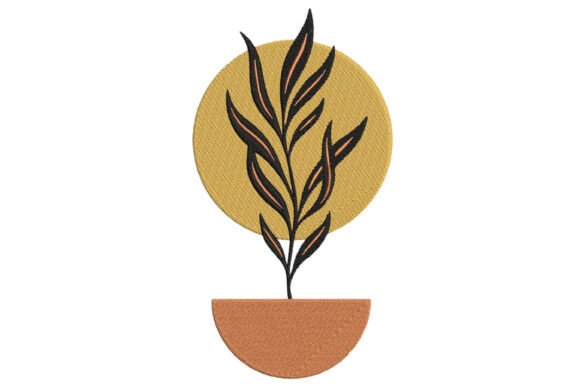
Opening the digital embroidery file, my first thought was that this design leans into a premium decorative feel rather than something cute or overly rustic. The tropical leaf motif, when rendered well, brings a clean, organic silhouette that reads as intentional and sophisticated. It does not scream for attention with loud flourishes, instead it holds its ground with shape confidence. That quiet boldness is exactly what works on products like linen tea towels, structured totes, and modern apron fronts.
For a craft fair product, the balance between trend and timelessness is tricky. Safari Tropical Leaf Embroidery feels planted in a botanical trend that has staying power. You see leaf motifs everywhere in home decor and fashion right now, but a well-digitized leaf design transcends seasonal spikes. It reads as lush without being fussy, and that makes it broadly appealing to buyers who might otherwise walk past a heavily themed booth.
Where This Design Shines in a Handmade Market Booth
After running a test stitch-out on medium-weight cotton, I started mentally placing Safari Tropical Leaf Embroidery across every product type I typically bring to a weekend market. Here is where it stands out strongest.
Tote Bags and Market Bags
A tote bag design featuring a single large tropical leaf or a well-spaced cluster creates an instant focal point. Customers pick up totes, hold them at arm's length, and imagine carrying them. Safari Tropical Leaf Embroidery works beautifully here because the leaf shape reads clearly even from several feet away. On natural canvas, the contrast is sharp and the design feels elevated. On darker fabrics, a bright or metallic thread can transform the leaf into something almost luminescent. Either approach makes the finished product look far more expensive than the production cost.
Apron Embroidery
An apron embroidery placement, especially on the upper bib or offset on the waist panel, gives Safari Tropical Leaf Embroidery a boutique kitchen feel. This is the kind of product that attracts gift shoppers at craft fairs. Someone looking for a housewarming present or a Mother's Day gift will gravitate toward an apron that feels curated, not mass-produced. The leaf motif delivers that curated look without making the apron feel overly feminine or overly masculine. It lands in a welcoming, gender-neutral space that broadens your customer base.
Tea Towel Embroidery
Tea towel embroidery might be the most underrated canvas for this design. A single leaf embroidered near the hem of a flour-sack towel looks intentional and clean. Pair two towels with slightly different leaf placements, tie them with twine, and you have a gift set that photographs beautifully. At craft fairs, small giftable items move quickly because of their accessible price point. Safari Tropical Leaf Embroidery on a tea towel feels like a small luxury someone can afford without hesitation.
Embroidered Patches
Scaling the design down for an embroidered patch requires careful attention to stitch density and detail preservation. If the leaf has slender stem lines or delicate vein work, shrinking below a certain threshold may cause those details to close up or lose clarity. I always recommend testing the embroidery file at multiple sizes before committing to patch production. When it works, though, a tropical leaf patch on a denim jacket or canvas backpack appeals strongly to younger buyers and festival-goers.
Pillow Covers and Home Decor
A throw pillow cover with Safari Tropical Leaf Embroidery centered on the front panel instantly creates a decor moment. Customers shopping for their living rooms or bedrooms respond to designs that feel calm and nature-inspired. The leaf motif, especially stitched in earthy greens or soft neutrals, blends into modern, boho, and even minimalist interiors. This is a product category where higher pricing feels justified, and the perceived value climbs noticeably when the embroidery looks clean and substantial.
How the Design Performs at Different Scales
One of the most important judgments I make about any machine embroidery design is how well it scales. Safari Tropical Leaf Embroidery holds its visual integrity as a large focal design, which makes it perfect for the back of a jacket, the center of a cushion, or the full face of a tote. As a smaller accent, such as on a cap side panel or a pouch corner, it can still work provided the hoop size accommodates the minimum dimensions without compromising detail.
However, I would caution against scaling it down too aggressively. Fine leaf veins, pointed tips, and any overlapping stem elements may become muddy if the design includes dense stitch areas or tight satin columns. When in doubt, run a small test on scrap fabric before cutting into your good materials. That single test stitch can save you hours of frustration and wasted blanks.
Fabric Compatibility and Texture Challenges
Safari Tropical Leaf Embroidery stitches out cleanly on smooth, medium-weight fabrics like cotton twill, canvas, and linen blends. On highly textured towels, the leaf edges may lose crispness as stitches sink into the pile. If you plan to embroider on terry cloth or waffle weave, use a topper to hold the surface fibers down and maintain edge definition. This is a standard practice, but it becomes especially important for a design that relies on clean silhouette recognition.
Thick fabric layers, such as denim or multi-panel bag constructions, require a sharp needle and possibly a slower machine speed. The design itself may be perfectly digitized, but the fabric's density will challenge stitch placement if you rush the process. On dark fabric, thread color selection becomes critical. A deep green leaf on black canvas can disappear unless you choose a thread with enough brightness or slight sheen to create contrast. Conversely, a pale mint or sage on natural linen looks effortlessly chic and photographs well for online listings.
Photographing Products for Etsy and Online Listings
As an Etsy seller or small shop product owner, you know that the photograph sells the item before the description ever gets read. Safari Tropical Leaf Embroidery photographs exceptionally well because the organic leaf shape creates natural leading lines that draw the eye. When I shoot products featuring this design, I prefer soft, diffused natural light and uncluttered backgrounds. The leaf silhouette does the heavy lifting.
Creating a printable mockup or using real design assets in lifestyle settings helps customers visualize the product in their own homes. A mockup showing a leaf-embroidered tote hanging on a hook beside a potted plant tells a story that a flat lay on white foam board cannot match. These visual cues matter for commercial embroidery listings where competition is fierce and thumbnails are small.
Batch Production and Booth Strategy Considerations
For sellers who produce in volume for craft fair seasons, repeatability is a deciding factor. Safari Tropical Leaf Embroidery, assuming it stitches efficiently without excessive trims or color changes, could become a reliable workhorse design. Once you dial in the thread colors and stabilizer combination that works best, you can run multiples with confidence.
From a booth display standpoint, repetition builds brand recognition. Having the same leaf motif appear across totes, aprons, towels, and pouches creates a cohesive visual story. Customers who notice the design on a tote may then spot it on a pillow cover and feel drawn deeper into your display. That kind of visual continuity strengthens brand consistency and encourages multi-item purchases.
Key Precautions Before Committing to Production
No review is complete without the practical checklist I run through before any design enters my product rotation. For Safari Tropical Leaf Embroidery, pay attention to these points.
- Test on scrap fabric first. Always. Even if the design looks flawless in the software preview, real fabric behaves differently.
- Check thread contrast. A beautifully digitized leaf can vanish on the wrong background. Test your chosen thread against your intended fabric color.
- Review stitch spacing. If the leaf includes parallel satin columns, make sure they do not overlap or leave gaps at your chosen size.
- Confirm hoop size compatibility. The embroidery file will have a recommended hoop size. Verify this before planning product placements.
- Inspect stitch density. Overly dense areas can cause puckering on lightweight fabrics. Under-digitized areas can expose the backing fabric.
- Use the right stabilizer. Cutaway for knits and stretchy fabrics, tear-away for stable wovens. Do not guess.
- Create at least one real mockup. A finished sample reveals issues that no digital preview can show.
- Compare fabric colors. Stitch the design on light, medium, and dark swatches to see how the thread reads across the range.
- Confirm commercial licensing. Before selling any finished product featuring this design, verify that the digital embroidery file includes permission for commercial use. Not all files do.
Who Should Add This Design to Their Product Line
If your craft fair booth leans toward modern, botanical, or nature-inspired aesthetics, Safari Tropical Leaf Embroidery will feel like a natural extension of your existing style. It suits handmade product sellers who prioritize clean design over busy motifs. The leaf silhouette is versatile enough to cross into kitchen textiles, wearable accessories, and home decor without feeling out of place in any category.
For embroidery business owners who sell at multiple markets throughout the year, this design has the added advantage of being seasonally flexible. Tropical leaves feel appropriate in spring and summer, but they also work in autumn and winter when paired with warmer fabric tones or used in cozy home settings. That year-round relevance matters when you are planning inventory months in advance.
Final Booth-Ready Thoughts on Safari Tropical Leaf Embroidery
After evaluating the design from every angle that matters to a seller, Safari Tropical Leaf Embroidery earns its place in a serious craft fair product lineup. It understands what catches the eye at a market: clean shapes, organic movement, and a look that feels intentional rather than generic. It performs best as a medium to large focal element, though careful testing may unlock smaller applications. The design rewards attention to fabric choice, thread contrast, and stabilizer selection. Skimp on those steps and the result will show it. Invest the time, and the finished product will hold its own against anything on the neighboring booth table.
As with any digital embroidery file, the responsibility falls on the maker to test thoroughly before selling. The file arrives in ZIP or RAR format, delivered as an instant download after purchase. Because this is a digital product, no physical item ships, and no returns or refunds are available for digital products. That makes your pre-production diligence even more important. Open the file, inspect the design, run your tests, and only then decide how many products to commit to your next market weekend. I suspect you will find that Safari Tropical Leaf Embroidery earns its keep rather quickly.