Watercolor Splash Bunny Embroidery Review: From Patch to Product
As an embroidery designer who works daily with small business owners, bakeries, boutiques, and Etsy sellers, I see plenty of digital embroidery files that promise a lot but deliver very little once hooped up and stitched out. The Watercolor Splash Bunny Embroidery design immediately caught my attention because it breaks away from standard flat fills and looks like something crafted to elevate a brand rather than just decorate a blank. But does it hold up under real production scrutiny? I ran it through my mental checklist for branded merch, patches, caps, aprons, and the kind of products that turn a casual customer into a repeat buyer. Here’s my full breakdown.
First Impression: A Fresh Take on Springtime Customization
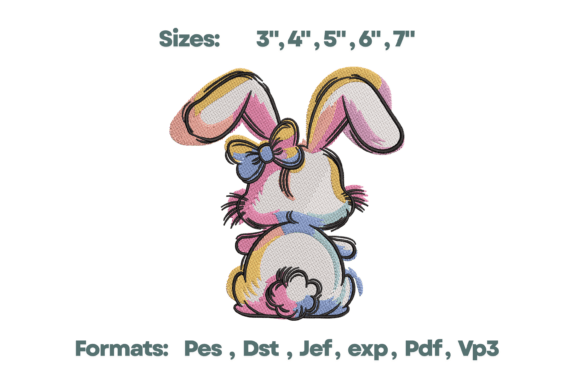
The moment I opened the design assets and saw the preview, the word that came to mind was artistic. This isn’t a typical outlined cartoon bunny. The Watercolor Splash Bunny Embroidery uses a digitized technique that mimics loose, flowing washes of pink and soft tonal shifts—almost like someone painted directly onto the fabric with thread. That “watercolor splash” effect immediately tells me this is a design-forward piece, not a generic holiday motif. For a small business—say a florist, a handmade soap studio, a children’s clothing shop, or a pet brand—this visual personality creates instant separation from competitors who still use stiff, old-school clip-art embroidery files.
The Easter category makes seasonal sense, but I see this design working far beyond March and April. The bunny shape is classic and the watercolor execution keeps it from feeling gimmicky. If you run a bakery, the pink blend could complement a spring menu item. A boutique could use it as a permanent logo accent. Even a local café could stitch it onto staff aprons in March and keep it there through the year as a subtle cheerful mark. That versatility is what I look for when a business owner asks me to help select a machine embroidery design that won’t be used only once.
From a digitizer’s lens, the gradient-like pink thread blend needs to be executed with careful stitch density management. I haven’t stitched this exact file yet, so I’d definitely order a test sew-out before committing to a production run. But the concept is spot-on for a brand that wants a soft, handmade aesthetic with a dash of modern watercolor flair.
Real-World Business Uses: Where This Design Shines
I always evaluate an embroidery file by how easily a business can apply it across multiple products without re-digitizing. The Watercolor Splash Bunny Embroidery opens up a surprising number of commercial opportunities when you think beyond the standard t-shirt chest print.
- Embroidered patches: This might be my top recommendation. A patch sewn onto a denim jacket, tote bag, or cap will feel like a premium handmade product. The watercolor texture gives it almost a boutique art print feel. Small businesses selling patch sets or limited-edition hat drops would love this.
- Apron embroidery: For a pastry shop, coffee bar, or florist, a left-chest placement on a sturdy canvas apron instantly upgrades the uniform. The pink hues pop beautifully on natural linen or cream aprons. I’d recommend using a soft cut-away stabilizer to keep the design stable through heavy washing.
- Cap embroidery: Curved cap fronts demand low-profile, well-digitized files with minimal dense areas. This design’s open, splashy fill might actually perform better on a cap than a heavily layered solid bunny. I would test placement on a five-panel or snapback to see how the watercolor effect reads from a distance.
- Tote bag design: Sturdy canvas totes are a canvas for this kind of artistic embroidery. Imagine a boutique selling a limited “spring collection” tote with this bunny and a shop logo. It adds perceived value and acts as a walking advertisement.
- Product packaging accents: Some makers embroider directly onto linen pouches or fabric gift wrap. The Watercolor Splash Bunny Embroidery could turn a simple jewelry pouch into a signature piece. A children’s brand might stitch it onto cotton fabric gift tags that become reusable keepsakes.
- Event merch & customer gifts: If you’re hosting a spring open house, an Easter market booth, or a customer appreciation event, stitching this design onto a small item like a zipper pouch or a keychain tab makes for a memorable branded gift that feels thoughtfully curated.
One important note: while this design is listed under the Easter category, I would market the finished product as “spring artisan” or “handmade watercolor bunny” rather than purely holiday-themed. That messaging extends the selling window and makes the design feel more sophisticated. Pair it with a small wordmark or logo, and you’ve got a cohesive brand asset.
Where to Use the Watercolor Splash Bunny Embroidery Carefully
No design works everywhere, and the artistic qualities that make this file stand out also bring a few production watchpoints. I always tell my own small business clients: the prettiest digital preview can stitch out poorly if you ignore fabric, size, and stabilizer basics.
- Small patch sizes: The watercolor effect relies on open spaces and soft thread overlaps. Shrinking the design too small—under about 2 inches wide—could mush those delicate color blends into a messy pink blob. If you need a one-inch bunny for a shirt cuff, consider a simplified version or confirm the stitch density holds up at that scale.
- Curved surfaces and harsh texture: Caps and puffy vests are doable but tricky. The loose fill could buckle on heavily textured knits or overly curved seams. Test on the exact cap style before ordering 50 units. I’d use a medium-weight cutaway stabilizer and a water-soluble topping if the cap fabric has any nap.
- Dark uniforms: The description highlights a blend of pink, so I assume no dark underlay is built in. Stitching pastel pink on black or navy garments may require a white knock-down underlay; without it, the thread may look dulled. Always ask the digitizer or check the file preview against dark backgrounds.
- Frequent industrial washing: If you’re placing this on work shirts for a busy café, the thread tails and open edges need a clean finish. A poor trim or weak lock stitch could cause the watercolor “spills” to unravel over time. I’d run a wash test with at least ten cycles before labeling it as uniform-ready.
- Lettering alongside the bunny: If you plan to add a brand name in tiny script, be cautious. An intricate watercolor pattern competes with fine details. Keep any supplementary text as a separate, cleaner element, or consider converting the bunny alone into a patch and placing a woven label elsewhere.
These are not deal-breakers—they’re part of standard embroidery design troubleshooting. A responsible shop will do a sample sew-out and show the client a real mockup, not just a digital one, before running production.
How the Design Impacts Brand Identity and Customer Trust
For a small business merch line, every stitched detail communicates something to your buyer. The Watercolor Splash Bunny Embroidery speaks of a gentle, artistic brand rather than a mass-produced one. If you’re a handmade product business, this design reinforces that handcrafted vibe even when you’re selling commercially embroidered goods. It bridges the gap between one-of-a-kind and repeatable.
Customer trust grows when your branding feels intentional. A bunny that looks lazily filled with blocky satin stitches tells a customer “we cut corners.” A bunny with a thoughtful, watercolor-inspired fill suggests “we care about the art.” That perception directly influences how much someone will pay for an embroidered tote bag or hat. I’ve seen businesses increase their product value by 30-50% simply by upgrading their digital embroidery file choices to more artistic, well-digitized assets.
Visual consistency across your brand identity also matters. This design’s pink palette can pull together your packaging, social media color scheme, and physical merchandise. A floral shop using dusty pinks and sage greens in their Instagram feed suddenly has an embroidered bunny that fits perfectly into that story. The result is online-to-offline brand recognition that feels seamless. A local bakery, for instance, could stitch the bunny beside their logo on a sleeve, and a customer seeing it on a cap later instantly knows where it came from.
And don’t underestimate the emotional pull. A bunny with a watercolor splash, especially around springtime, triggers warm, nostalgic feelings. For a pet brand or a children’s line, that’s marketing gold. Your embroidery stops being a decoration and becomes part of the customer’s story with your brand.
Practical Embroidery Designer Notes for Professional Use
Here’s the checklist I would follow if I were integrating the Watercolor Splash Bunny Embroidery into a client’s commercial embroidery lineup. These steps separate a one-off hobby sew from a business-grade result.
- Test in black and white first: I always print a black-and-white preview to check contrast and shape clarity. If the bunny outline disappears without color, it may lose recognition on some fabrics. The watercolor texture should still read as a bunny silhouette even at a glance.
- Verify tiny detail survival: Check if the splash edges have fine, floating stitches that might snag. A good digitizer will tie off those details securely. If not, you might need to manually remove a few unnecessary stitches.
- Review thread color contrast: Pink on pink fabric sounds cute but can wash out. I’d recommend a slightly deeper pink thread for the darkest color stop, or use a fabric in cream, heather grey, or white to make the splash pop. Order a thread chart and place actual color swatches beside your fabric before stitching.
- Inspect spacing and pull compensation: Open watercolor fills can pull during hooping. Make sure the digitizer’s pull compensation is dialed in, or gapping may appear between splash segments. This design should have some intentional gaps, but they must be controlled, not random.
- Confirm hoop size and machine limits: Don’t assume this fits a 4x4 hoop. The splash, even if the bunny is compact, might demand a larger hoop to maintain the artistic spread. Check the file specs and order a hoop that gives at least half an inch of clear space around all edges.
- Test on real fabric with proper stabilizer: Canvas tote? Use a firm cutaway. Stretchy tee? Back with a fusible no-show mesh. Apron? Medium cutaway. Never use tear-away on a design that will be washed repeatedly unless you’re okay with puckering over time.
- Create a printable mockup for client approval: I always overlay the digital stitch preview on a photo of the actual garment, then print it. That way, the café owner or bakery manager sees exactly how large the design will appear and where the placement falls. No surprises.
- Compare beside other design assets: If this is going beside a logo or a second embroidery file, stitch them together on scrap to see if the thread colors harmonize. The last thing you want is a bunny that clashes with your established brand colors.
- Confirm commercial licensing: Before using the Watercolor Splash Bunny Embroidery on items you sell, verify that the design comes with a commercial use license for physical products. Many digital embroidery files are personal use only. Licensing terms aren’t explicitly listed here, so reach out to the vendor. Don’t skip this step—it protects your business from legal headaches.
- Run a small batch first: I never produce 200 pieces of branded merch with a new file before stitching, washing, and wearing five samples in real life. A design that looks flawless on the machine bed can show surprises after a dozen spins through the laundry.
Is This the Right Embroidery Design for Your Small Business?
After thoroughly analyzing the Watercolor Splash Bunny Embroidery from a production and branding perspective, I’d confidently recommend it to creative businesses that want to add a soft, handmade, and unmistakably artistic element to their merchandise. It’s not a rigid corporate logo replacement, but it’s an excellent secondary design asset that can elevate custom apparel, branded patches, aprons, tote bags, and seasonal product lines.
If you’re a craft business owner, Etsy seller, or merch creator looking to differentiate your shop with an embroidery file that feels more gallery than generic, this one belongs on your shortlist. Just stitch a thorough test first, use the right stabilizer, and pair it with thoughtful placement. The result could be a highly memorable brand element that customers associate with your unique product experience for years to come.