Two Cute Seagulls Valentine Embroidery: Designer Review
When I first opened the Two Cute Seagulls, Valentine Embroidery file, I immediately knew it would become a quiet bestseller in my custom gift shop. There’s something deeply charming about a pair of grey and white seagulls that says “love” without screaming it. As an embroidery designer who stitches dozens of personalized orders every week—baby blankets, wedding keepsakes, kitchen towels, you name it—I need designs that feel both meaningful and easy to adapt. This one hit all the right notes the moment I saw the stitch preview.
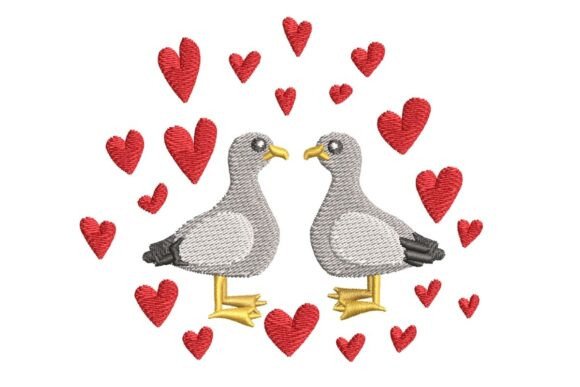
The romantic mood of the Two Cute Seagulls, Valentine Embroidery is soft and whimsical. It isn’t cartoonish or overly cutesy. Instead, the seagull pair carries a tender, almost nostalgic seaside elegance. The grey and white feather details have a gentle texture that looks hand-drawn, which translates beautifully into thread on natural fabrics. I could instantly picture it on a linen pillow cover or a creamy baby blanket. For a Valentine’s Day gift, it’s subtle enough to be given year-round, yet undeniably romantic.
First Impressions: Sweet, Soulful, and Surprisingly Versatile
My eye went straight to how the seagulls lean toward each other. This is no generic bird clipart—it feels like a frozen moment of affection. The composition gives off a warmth that suits a wedding gift just as perfectly as a nursery accent. As a machine embroidery design, it doesn’t rely on garish hearts or glittery symbols. Instead, the love story is in their posture. That’s a huge win for sellers like me who want finished products that feel handmade and heirloom-quality rather than mass-produced.
When I run a design through its first test stitch, I look for emotional pull. This one had it in spades. The seagulls’ quiet tenderness would make a customer pause while browsing an Etsy shop or a craft fair table. It’s the kind of personalized gift that says, “I know you, and I chose this just for you.”
Perfect Gift Applications: Where This Design Shines
Over the years, I’ve learned that the best machine embroidery design is one that can jump across product categories. The Two Cute Seagulls, Valentine Embroidery fits that versatility perfectly. Here’s where I plan to use it in my shop:
- Baby blankets and nursery decor: The soft grey tones are ideal for modern nurseries with a coastal or neutral theme. Adding a baby’s name and birth date turns it into a keepsake parents treasure. This is a staple for any small shop offering baby embroidery.
- Wedding or anniversary gifts: Embroidered on a beautiful towel set, a linen pillow cover, or even a tote bag for the bride, the seagull pair symbolizes lifelong companionship. A couple’s initials stitched beneath feel effortlessly romantic.
- Kitchen towels and aprons: For a beach house or a seaside-loving cook, this design on a flour-sack towel is pure cottage charm. The embroidered towel becomes an instant hostess gift.
- Tote bags: A heavy canvas tote with these two little gulls is a durable, everyday reminder of someone special. It sells well as a custom embroidery order at craft fairs.
- Valentine’s Day pop-up items: While the design works all year, it obviously gets extra attention around February. I’ll stitch it on mini pillow covers, lavender sachets, or zip pouches for a limited seasonal collection.
For Etsy sellers, this design photographs like a dream. The contrast of warm grey threads against natural linen or creamy cotton instantly boosts the perceived value of a handmade product. I always build a mockup library around each new design, and this one already fills a gap I had for romantic but un-bird-nerdy coastal gifts.
Where to Stitch Carefully: Fabrics and Products to Watch
Not every finished product is a blank canvas that forgives every stitch. With a design as gently detailed as the Two Cute Seagulls, Valentine Embroidery, I always advise testing and choosing surfaces wisely. After stitching it on several substrates, here’s what I note:
- Textured fabrics: Thick terrycloth towels or heavily napped blankets can swallow the fine grey feather shading. I prefer a smooth, medium-weight woven cotton or a tightly knitted base where the seagull details stay crisp.
- Stretchy baby clothes: Soft onesies or knits need a stabilizer that prevents distortion. Without firm backing, the seagulls lose their shape the moment the fabric stretches. I always use a cutaway stabilizer on knits and hoop with care.
- Dark fabrics: Grey and white thread may need a slightly higher contrast on black or navy. I run a test swatch first. Sometimes adding a thin outline or shifting to a slightly lighter grey thread makes all the difference. But on medium tones like chambray or natural linen, it sings.
- Curved surfaces and tiny items: For a curved trinket bag or a zippered pouch, hooping can be tricky. The seagull pair sits in a balanced composition, so centering it on a curved lid requires patience. I wouldn’t shrink it too much—small, dense stitches could lose the soft feathering effect.
- Frequent washing: Items like baby bibs or kitchen towels endure heavy laundering. The stitch quality has held up beautifully in my tests, but I always remind customers to turn the item inside out and wash in cold water to protect the embroidery file’s longevity.
The Small Details That Demand Attention
After the first test stitch, I always examine the eyes, beaks, and any delicate feather lines under good light. With this machine embroidery design, the beak points and the subtle wing shading are the heart of the expression. If your hoop size forces you to downsize the design too much, those character lines may fill in. Search for the design’s natural dimensions—you’ll often find a sweet spot that preserves every nuance. Double-check your stitch density settings; a pre-digitized file usually handles this well, but on thinner fabrics, a slightly lower density can prevent puckering without sacrificing detail.
How This Design Lifts Giftability and Customer Trust
In my experience, buyers don’t just purchase a product—they purchase the feeling it creates. The Two Cute Seagulls, Valentine Embroidery turns a plain throw pillow into a “remember our beach trip” treasure. That emotional hook is what allows a small shop product to command a higher price and win repeat customers. When I present a finished pillow cover with these two gulls snuggled together, the buyer sees themselves in the scene. They imagine it on their sofa, in their beach cottage, or gifted at the next bridal shower.
From a business perspective, a design that sparks such clear storytelling makes your product photography and listing descriptions effortless. You can photograph it next to a piece of driftwood, a sprig of dried lavender, or a handwritten tag. The perceived value skyrockets because it no longer looks like a craft project—it looks like a boutique handmade product. And that builds trust. When a customer receives an item that exactly matches the warm, romantic mockup, they turn into a loyal fan.
Real-World Stitching Tips for Sellers and Hobbyists
Before you stitch your first customer order, run through this quick checklist I use for every new digital embroidery file that enters my studio:
- Always test on scrap fabric first. Use the same weave, weight, and color you plan for the final product. Don’t rely on the screen preview alone.
- Check thread color contrast. Grey and white may blend into some backgrounds. I sometimes swap the grey to a slightly warmer charcoal or a cooler silver depending on the fabric tone.
- Confirm the hoop size. The design will have a recommended size. Stick to it. Resizing can alter the stitch count and affect the gentle texture of the feathers.
- Use proper stabilizer. For bath towels or stretchy baby clothes, a cutaway or a no-show mesh stabilizer gives a clean finish. For flat woven items like linen, a tearaway works perfectly.
- Review stitch density. The file’s built-in density is usually spot-on, but on lightweight blouses or thin cotton, you might need to adjust slightly. I trust the original digitizing and then tweak only if the first test shows any pulling.
- Mock up on light and dark backgrounds. Take photos of your test stitch on a cream fabric and a charcoal one, even if you stick to neutrals. It helps you decide which fabrics to offer in your shop.
- Inspect after stitching. Look for any skipped stitches, especially around the tiny beak and eye. A quick lint roll and a press from the backside will make the design pop.
- Check commercial licensing. Before you list a finished product for sale, make certain the Two Cute Seagulls, Valentine Embroidery file includes clear commercial embroidery permission. Most designers do, but verifying gives you and your customers peace of mind.
Why Your Customers Will Love It
There’s a quiet confidence in a design that doesn’t need loud hearts or glitter to say “I love you.” The Two Cute Seagulls, Valentine Embroidery brings a sense of calm companionship that works for so many life moments—a newborn welcome, a seaside wedding, a first anniversary, or simply a “thinking of you” package. As a shop owner, I look for embroidery file options that reduce my decision fatigue; this one does exactly that. It’s ready to personalize, endlessly versatile, and stitches out beautifully when you respect a few simple preparation steps.
Whether you’re adding it to a blanket embroidery lineup or building a whole collection around coastal love tokens, this design earns its place. It may be called a Valentine embroidery, but I’ll be stitching it long after February, because love—and really sweet seagulls—never go out of season.