A Designer's Review: Using the Cute Baby Deer Embroidery Design
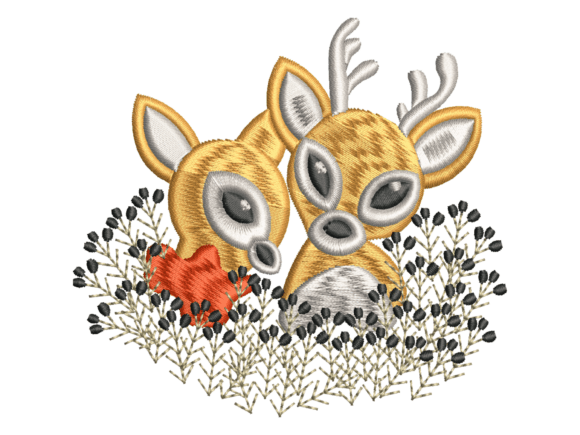
When I first opened the Cute Baby Deer embroidery file, my immediate thought was “gentle.” This isn’t a bold, graphic animal; it’s a soft, endearing character with a playful tilt. The shapes are rounded and friendly, the details are kept simple but expressive, and the overall layout feels balanced. It creates a mood of innocence and warmth, which tells me exactly where it belongs: projects meant to convey tenderness, like baby gifts, nursery decor, or personalized items for a child.
The Perfect Project Match: Where This Deer Really Shines
Let’s talk real use. I was preparing a custom baby blanket for a client, and this design was a contender. In that scenario—and for similar items like a delicate pillow cover, a sweet apron for a mom, or a commemorative tea towel—the Cute Baby Deer design performs beautifully. Its personality aligns perfectly with handmade products intended as gifts. For small business owners, especially those selling on Etsy or at craft fairs, this design translates into products that feel special and giftable, boosting perceived value.
Think about application on apparel, too. On a child’s sweatshirt or a lightweight tote bag, the design offers recognition and charm without being overly complex. It’s a strong choice for boutique branding if your shop aesthetic is cozy and whimsical. For digital product sellers offering printable mockups or design assets, this deer provides a versatile, appealing visual that can attract buyers looking for baby animals or embroidery themes.
Navigating the Stitching: Practical Performance Notes
In real embroidery situations, the success of any design hinges on its execution. Based on its visual structure, I’d approach the Cute Baby Deer design with some standard best practices. First, always test on scrap fabric that matches your final project material. This allows you to review stitch density, see how the fill stitches behave, and check the clarity of any small details.
Thread color contrast is critical. This design, with its presumably soft features, will need thoughtful color selection against your background fabric. On dark fabrics, you’ll need to ensure your thread palette is bright enough to maintain the design’s gentle appeal. On light fabrics, you might lean towards pastels to enhance the mood. Using proper stabilizer is non-negotiable, especially on stretchy fabrics like t-shirts or textured materials like blankets, to preserve that clean shape.
Caution Zones: Where to Use This Design Carefully
Every design has its limits, and a professional review must acknowledge them. The Cute Baby Deer design, given its likely detail level, should be used carefully on very small hoop sizes. Tiny areas might become overly dense or lose definition. Similarly, on curved surfaces like caps, the layout needs to be positioned wisely to avoid distortion of the deer's form.
I would be cautious with thin fabrics if the stitch count is high in certain areas, as dense stitch areas can pucker or stiffen the material. For products that need frequent washing, like baby clothes or kitchen towels, you’ll want to ensure your thread and stabilization choices are durable enough to maintain the design’s integrity over time. It’s always wise to inspect the file’s small details before committing to a commercial embroidery project or a large batch of handmade merchandise.
From File to Finished Product: Building Trust and Appeal
How does this embroidery file affect your final product’s success? For crafters and apparel decorators, stitching clarity is paramount. A clean, well-defined deer elevates the handmade presentation, building customer trust in your craftsmanship. For creative entrepreneurs, using a design with such a clear, appealing theme supports brand consistency if your niche is children’s items, gifts, or cozy home decor.
The visual appeal directly influences buyer engagement. In an Etsy listing or a craft fair display, a product embroidered with this design communicates a specific emotion—it’s not generic. That specificity can be a powerful tool for selling. Before selling finished items, however, a crucial step is to confirm the licensing terms of the digital embroidery file. The product description states it's a digital product delivered in ZIP or RAR format, but it doesn't specify commercial use rights. Always verify this before using the design for commercial embroidery or selling the embroidered products.
A Designer’s Final Checklist Before Hooping Up
My process before using any design like this in a real client project or for my small shop products involves a few key actions. I test the design in both light and dark fabric mockups, even simple black and white sketches, to visualize the final impact. I confirm the practical hoop size needed for my intended item—does it fit the space on a tote bag panel or a sweatshirt pocket? I review the file itself, looking at how the satin stitches or running stitches are applied, to anticipate any thread changes or potential adjustments.
Finally, I consider the project scope. Is this for a one-off personalized gift, or for a line of holiday gifts in my boutique? The Cute Baby Deer embroidery design feels versatile enough for both, but that initial testing phase is what separates a hobbyist project from a professional, sellable finished product. Its gentle personality, when executed well, turns a simple digital file into a tangible item that carries real emotional weight—and that’s the core of a successful embroidery project.