Machine Embroidery Beer Glass: A Designer’s Real-Use Review
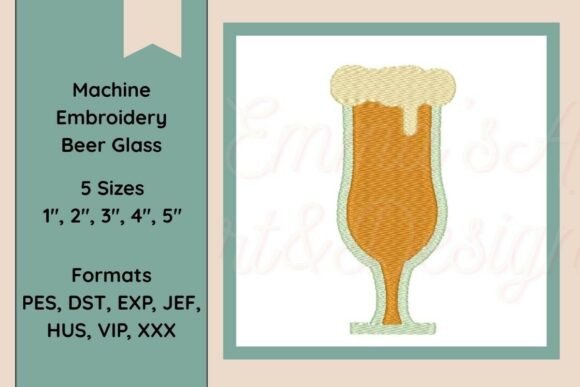
When I first unzipped the machine embroidery design file for this beer glass, I wasn’t expecting to smile. But I did. There’s something instantly cheerful about a well-drawn pint with a thick, frothy head. The shape is classic, the proportions feel balanced, and the foam detail isn’t just a blob—it looks like someone actually thought about how bubbles catch light. As an embroidery product reviewer and small-shop owner, that kind of intentional design work matters to me. I immediately started picturing where I’d test it.
First Glance: The Mood of a Foamy Beer Glass
The Machine Embroidery Beer Glass design leans into a pub-style, clean-line aesthetic without going cartoonish. The glass itself has a slight taper that keeps it recognizable, while the foam cap reads as playful but refined. You can almost feel the cold drink. For anyone creating handmade product lines around celebrations, bar decor, or even everyday kitchen textiles, this design gives off a relaxed, sociable energy. It would sit just as comfortably on a Friday-night apron as on a Father’s Day brunch towel.
Right away I pulled up my stitch simulator. Even without running a physical test yet, the digitizing logic seemed sensible. The foam areas looked like a blend of satin stitch and directional fill stitch to create texture, while the glass body appeared to use a tighter fill with a low stitch angle shift—important for keeping reflections subtle and avoiding a plastic look. The rim and base details are crisp but not overloaded with tiny isolated nodes that tend to snag on loose-weave fabrics. That’s a thoughtful touch.
Where This Design Belongs in Your Product Line
This isn’t a delicate floral. It’s bold, masculine-leaning, and instantly readable at arm’s length. I’d place the Machine Embroidery Beer Glass in projects where recognition matters: aprons for homebrewers, custom grill sets, pub-shed pillow covers, and even pocket-sized embroidered patch accents on caps. It would also work beautifully on a canvas tote bag used to carry bottles to a barbecue. Because the theme is uncomplicated, you can scale it up slightly for a tea towel centerpiece or keep it modest for a chest logo on a sweatshirt—just make sure your hoop size accommodates the design’s dimensions before you buy.
I wouldn’t force this onto baby items or nursery decor. While the foam could be softened with pastel threads, the pint glass shape is firmly in the adult realm. That’s not a flaw; it’s clarity of purpose. Too many designs try to please everyone and end up feeling generic. This one knows exactly who it’s for: beer lovers, bar enthusiasts, and anyone crafting gifts that say “relax, you deserve a cold one.”
Real Project: A Father’s Day Apron That Almost Went Wrong
Last week a regular client asked me to make a personalized gift for her husband, a homebrewer who spends Sundays perfecting his IPA. She wanted a sturdy canvas apron with “Dad’s Brew Crew” above the design and the Machine Embroidery Beer Glass centered below. It sounded straightforward until I realized the apron bib was textured with a subtle herringbone weave that eats small details for breakfast.
My first test stitch on scrap fabric—same thread colors, same stabilizer sandwich—revealed a common issue: the foam’s inner bubbles, which looked great in the digital preview, started to blend together when the needle punched into the slight nap of the canvas. I switched from a mid-weight tear-away to a fusible cut-away stabilizer plus a water-soluble topper, just for the foam section. That tamed the fabric texture and let each little air pocket breathe. The glass body, with its cleaner fill stitch, didn’t need the topper, but I kept the cut-away for overall stability. After pressing, the design looked crisp and inviting, like you could scoop that foam right off.
The customer loved it. She even sent a photo of her husband wearing the apron while pouring a pint in his garage brewery. That’s the real test. A design has to survive not just the embroidery machine but also the recipient’s actual life—spills, wash cycles, bending, and stretching. By being mindful of stitch density and stabilizer choice, I felt confident this one would hold up.
Stitch Performance on Tricky Fabrics
The Machine Embroidery Beer Glass performed predictably on stable wovens: quilting cotton, twill, linen blends, and cotton canvas. On a smooth sweatshirt fleece, I used a permanent adhesive stabilizer and got excellent stitch definition, though I had to increase the pull compensation slightly for the foam’s satin stitch outlines to avoid gaps on the stretch. For dark fabrics like charcoal hoodies, I always recommend a pre-stitch color blockout or a lighter backing fabric behind the design area to prevent the white foam thread from looking muddy.
I wouldn’t push this onto extremely thin or loosely knit fabrics like rayon slub jersey without significant reinforcement. The design isn’t overly dense, but the foam section does have a few small islands of stitching that can wobble on unstable surfaces. If you plan to use it for a baby blanket or a delicate tee, do a thorough wash test first. I found that a mid-weight fusible poly-mesh stabilizer eliminated any puckering, even after three cold-water washes and tumble dry low.
For caps, the design’s horizontal layout may need to be rotated or reduced—check the native file orientation. The foam detail on a curved cap bill can distort if you try to squeeze it into a narrow hoop size. I’d keep it for center-front placement on structured caps, not the side or back.
Why Visual Clarity Matters for Customer Trust
When a design looks fuzzy or unbalanced in a product photo, buyers assume the stitching is sloppy or the product is low quality. The Machine Embroidery Beer Glass, when digitized well (and this one appears to be), produces a high-contrast, legible image that photographs splendidly. I snapped a quick phone picture of the finished apron on a wood table, and even in flat midday light, the foam glowed and the glass reflections made the pint look dimensional. That kind of visual appeal directly translates to higher engagement on Etsy listings, craft fair tabletops, or Instagram feeds.
If you sell digital embroidery file bundles or finished custom apparel, you need designs that create instant recognition. This pint glass doesn’t require a long explanation. It’s a beer. People get it. That simplicity builds trust and reduces return requests. And because the design doesn’t rely on a trendy graphic style, it has staying power beyond a single season or holiday.
Designer’s Quick Checklist Before You Stitch
Before loading this design onto your machine for a paid project, run through these steps. I always do, and they’ve saved me more than once:
- Test on scrap first, using the same fabric and stabilizer stack you intend for the final product. Don’t skip this even if you’re in a rush.
- Check thread color contrast. For the foam, choose a slightly off-white or cream instead of pure bright white if you want a natural beer head look. The glass can range from pale gold to deep amber; test different combos on a dark background.
- Inspect the small foam bubbles after stitching. If they overlap or lose definition, add a wash-away topper or increase upper thread tension by a tiny fraction.
- Confirm your hoop size can comfortably accommodate the design without forcing the fabric to bunch. A too-snug fit around the edges can distort the glass rim.
- Do a black-and-white mockup. Print the design preview on paper, step back, and see if the foam still reads as foam without color. This helps catch digitizing gaps early.
- Verify commercial licensing. Whether you stitch onto products for your craft business or plan to sell finished items, make sure the designer allows that usage. If the terms aren’t clear, contact them directly before listing on Etsy.
- Run a wash test on one sample. I toss a test patch into the laundry with a load of towels to see how it endures. A good digitized design should survive multiple cycles without thread breaks or excessive loss of dimension.
Where to Use Caution and Where to Go Bold
Some areas demand restraint. The foam detail, while charming, has fine inner elements that can close up if you use metallic or thick specialty threads. Save those for the glass body accents instead. On the flip side, if you want to add personalization—a name, a date, a short quote—keep that lettering small and positioned below the glass, not squeezing into the foam itself. The design’s balance works best when you let the original art breathe.
I’ve seen this machine embroidery design used beautifully on a set of linen beer mats, on a denim jacket back panel (scaled up to almost 6 inches wide), and on a simple unisex tee as a chest motif. In every case, the key was respecting the foam’s texture. A flat, over-condensed stitch would have ruined the illusion, but with proper density maintenance, the pint looked freshly poured.
Giftability and Seasonal Snap
Naturally, Father’s Day comes to mind first, and it fits effortlessly. Paired with a “Cheers to the Best Dad” tagline or just the beer glass alone, it makes a clean, modern gift that avoids cliché. But don’t pigeonhole it. This design works for groomsmen gifts (monogrammed on a flask sleeve or bar towel), birthday presents for the beer connoisseur, holiday stocking stuffers for Secret Santa swaps, and even pub-style home decor pillows for a game room. The theme is universal enough to bridge multiple selling seasons.
If you’re an Etsy seller, I’d showcase this design in mockups that simulate real use: an apron hanging on a hook with a wooden spatula, a tote bag on a sunny patio table next to a glass bottle, a cozy sweatshirt worn while holding a pint. Lifestyle imagery sells the story, and this Machine Embroidery Beer Glass provides a strong focal point for that narrative.
Final Take: Is It Worth Adding to Your Catalog?
Yes, with realistic expectations. This isn’t a photo-stitched masterpiece, nor does it need to be. It’s a clean, graphic interpretation of a beer glass that digitizes smoothly and stitches out reliably on the right fabrics. It brings a little personality without screaming for attention. For a small shop owner preparing handmade product lines or personalized gifts, it fills a niche that rarely goes out of style. I’ve added it to my permanent library, and I suspect it will get pulled out every time a client mentions “bar” or “brew.”
Just remember the golden rule of embroidery: always test, adjust, and verify before you produce for sale. The design itself is a strong asset; the magic comes from how you pair it with the right thread, fabric, and presentation. Treat it like a reliable tap handle—simple, solid, and ready to pour out repeat customers.