Farmhouse Rooster Embroidery: A Rustic Charm Design Review
First Impressions: Bold & Proud Rustic Appeal
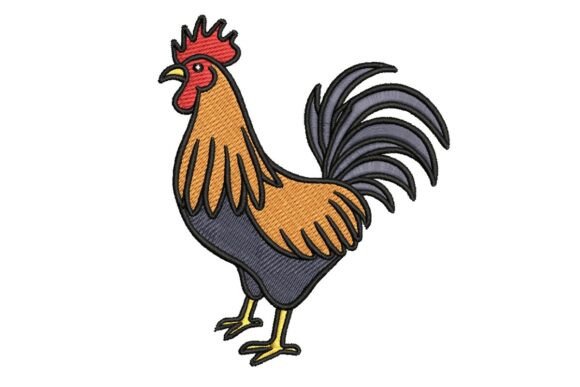
This Farmhouse Rooster Embroidery design immediately declares its character: it’s bold, proud, and unapologetically rustic. The term “farmhouse” in the title sets a clear expectation—this is a design that evokes warmth, tradition, and a touch of country charm. For craft fair sellers, that’s a powerful starting point. It isn’t cute, minimal, or overly elegant; it’s decorative and confident. When I look at a design like this, I instantly picture it on a well-made apron or a crisp kitchen towel, standing out with a premium, handmade quality. Customers browsing a booth will recognize this mood at a glance, which is crucial for quick engagement at a bustling market.
Craft Fair Booth Placement: Where It Will Shine
Imagine your display table: tote bags hung on a rack, aprons folded neatly, tea towels stacked, and perhaps a few embroidered caps or pillow covers as accent pieces. The Farmhouse Rooster Embroidery is a focal design. It won’t work as a tiny, subtle accent. Its strength is as a central feature. Therefore, place it on products where it can be the star. A large tote bag or a market bag gives it the canvas it needs. An apron, especially a chef-style or farmhouse-style apron, is a perfect thematic match. For kitchen linens, like tea towels or oven mitts, it creates an instant “kitchen gift” vibe that sells well around holidays or as everyday upgrades.
I would avoid putting it on items with limited space or complex curves, like caps, unless the design file is specifically adapted for that. Its bold lines and likely dense areas need a flat, stable surface to look their best. For smaller items like fabric pouches, it might need to be scaled down, which requires careful testing to ensure details like the rooster’s comb and tail feathers don’t lose clarity.
Top Products for Maximum Sales Impact
- Tote Bags & Market Bags: A large, clear rooster on a natural canvas or linen bag screams quality and is highly visible in a booth.
- Aprons: Personalizing aprons is a huge market. This design adds value and a custom, rustic touch that appeals to home cooks and gardeners.
- Kitchen Towels & Linens: This is its natural home, as described. A set of coordinated towels with this rooster can be a quick-sale bundle.
- Pillow Covers: For home decor, a single rooster pillow on a neutral linen pillow cover can attract buyers looking for farmhouse aesthetic accents.
- Embroidered Patches: If the design is clean and dense, it could make a superb standalone patch for jackets or bags, appealing to a different, perhaps more craft-focused, customer.
Practical Production & Selling Considerations
Turning this digital embroidery file into profitable handmade products requires a practical mindset. First, always test on scrap fabric identical to your final product fabric. For a rustic design, you might test on textured cotton, linen, or even a canvas duck cloth. Check thread contrast—this design likely needs bold, contrasting colors (deep reds, blacks, bright yellows) against lighter backgrounds to truly pop. Stitch density is a key concern. A “proud barnyard rooster” suggests detail and fill areas; high density can be beautiful but may require the correct stabilizer and machine settings to avoid puckering, especially on thinner kitchen towels.
Photographing products with this design for your Etsy listings or printable mockups should focus on texture. Get close-up shots that show the threadwork’s quality. The rustic feel benefits from natural light and backgrounds like wood or slate to reinforce the farmhouse theme. For batch production at a small shop scale, this design is likely repeatable if it’s well-digitized with clean paths and sensible color changes. However, batch work means monitoring thread consumption and time per item to ensure profitability.
Careful Use Notes for Quality Results
- Small Sizing: Scaling down for a small pouch or cap might cause fine details to blur. Always hoop a test at the intended size.
- Dark Fabrics: Embroidering on dark fabrics requires careful thread color selection—you may need brighter or lighter tones to maintain the design’s boldness.
- Textured Towels: The loops of a terry towel can obscure detail. Use a firm stabilizer and consider a slightly larger hoop size for stability.
- Lettering: If the design includes any small lettering, like a “Farm Fresh” tag, test it meticulously; tiny text is often the first element to fail in stitching.
Boosting Customer Attention & Perceived Value
This Farmhouse Rooster Embroidery directly impacts visual appeal and customer attention. In a booth crowded with items, a large, well-executed rooster on an apron or tote acts as a beacon. It tells a story—of homesteading, of rustic kitchen charm, of quality craftsmanship. That story increases the perceived value of the product. A plain tea towel is a utility item; an embroidered one with this design is a giftable handmade product. It encourages engagement; customers will touch it to feel the embroidery, commenting on the stitch work. This interaction is gold for sales.
For brand consistency, if your shop focuses on rustic, farmhouse, or country-life themes, this design is a cornerstone asset. Using it across a coordinated product line (aprons, towels, totes) strengthens your booth display and makes your brand message clearer. For creative entrepreneurs selling digital embroidery files themselves, this design’s strong theme makes it an attractive asset for other makers, provided commercial licensing is confirmed.
Final Designer Notes Before the Fair
My professional routine before committing any design to a craft fair product lineup is methodical. For this Farmhouse Rooster Embroidery, I would:
- Create at least one real, finished mockup on the primary product I intend to sell (e.g., the apron). This is the only way to judge its real-world impact.
- Compare fabric colors by stitching the design on light natural linen, off-white cotton, and perhaps a beige canvas to see which combination sells the mood best.
- Review spacing and detail clarity by examining the stitched test piece. Are the rooster’s features distinct? Does it look crowded or clean?
- Confirm the hoop size requirement from the embroidery file to ensure my products can accommodate it physically. A tote bag needs a large enough flat area.
- Inspect stitch density on my test piece. If it’s too dense for delicate fabrics, I’ll reserve it for heavier items like bags and aprons.
- Use the right stabilizer for each fabric type. This is non-negotiable for professional results.
- Check commercial licensing if I’m using a purchased digital embroidery file. Only proceed with selling finished products once I know I’m compliant.
In conclusion, the Farmhouse Rooster Embroidery is a strong, thematic design with excellent potential for craft fair and handmade market products. Its bold, rustic flair is its greatest selling point. By placing it on the right products—where it can be large, proud, and beautifully stitched—you transform a digital embroidery file into a tangible item that captures attention, tells a story, and ultimately, sells.