Bugs Micro Embroidery Set Review for Apparel
First Impressions: Tiny Motifs with Boutique Charm
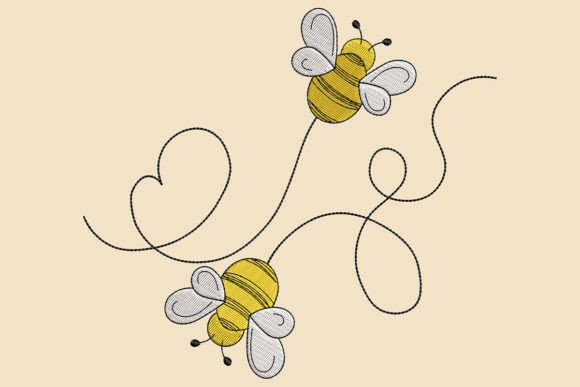
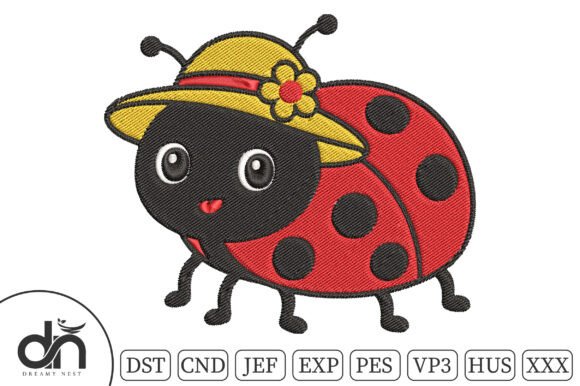
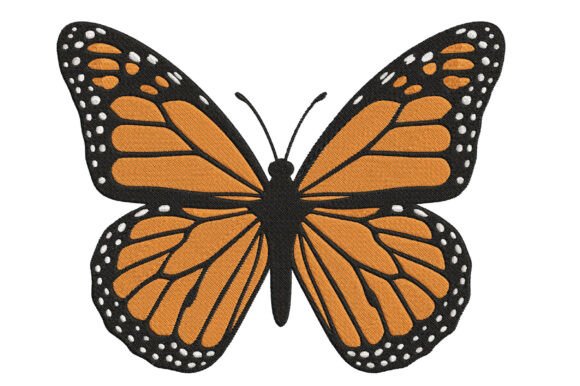
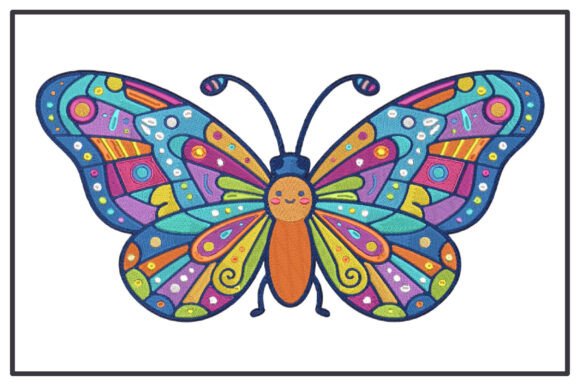
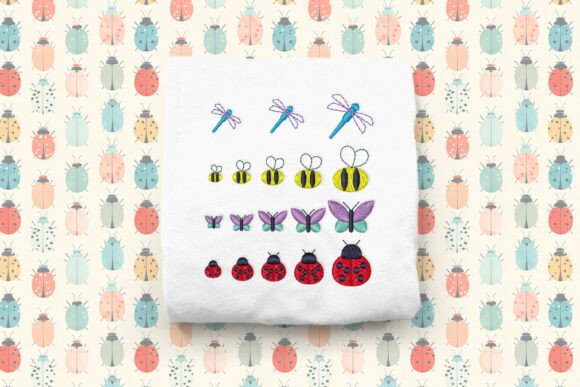
When I first opened the Bugs Micro Embroidery Set file preview, the immediate reaction was this is exactly the type of understated, playful detail boutique shoppers crave right now. The collection contains four distinct insects — a dragonfly, a bee, a butterfly, and a ladybug — each rendered in a clean micro embroidery style. They feel intentionally delicate, not overly fussy. The line work reads as crisp and modern, with just enough stitch definition to remain recognizable even when scaled down to the smaller sizes mentioned in the product listing. There is a gentle, almost storybook quality to these bugs, which makes them incredibly versatile for apparel that targets a soft, cozy aesthetic.
The aesthetic mood lands somewhere between whimsical minimalism and cottagecore nostalgia. It is not aggressively cute; the simplified shapes prevent them from looking juvenile. Instead, they carry a subtle femininity and a nature-inspired calmness that pairs beautifully with neutral garment bases. This gives the Bugs Micro Embroidery Set a clear advantage for boutique brands that want to build a cohesive, recognizable visual identity without relying on loud graphics. You could easily imagine these motifs scattered across a curated Instagram feed or styled in a flat lay for an Etsy listing — they just have that photographic, lifestyle-friendly presence.
One important note from the product description is that some details may be simplified at smaller sizes. This is completely expected for micro embroidery designs, and in my experience it often works in the design's favor. Tiny butterfly wings or ladybug spots that become slightly abstracted can actually look more intentional and artful on a finished garment. However, it does mean you need to test the exact size you intend to use before committing to a production run. I always advise doing a stitch-out at the chosen dimensions on similar fabric to confirm that legibility holds up and no details disappear distractingly.
Apparel Projects: Where This Set Truly Excels
When I plan a coordinated apparel drop — say a mini collection of sweatshirts and hoodies — I look for designs that can serve multiple placement roles. The Bugs Micro Embroidery Set excels precisely because it was born for scaled-down application. Large, dense back designs have their place, but the current market for boutique sweatshirt embroidery is leaning heavily into subtle left-chest motifs, cuff accents, and delicate scatter arrangements. These micro insects feel purpose-built for that trend.
Sweatshirt and Hoodie Chest Placement
A single bee or ladybug stitched on the left chest of a relaxed-fit sweatshirt instantly elevates the garment from basic to intentional. On neutral tones like oatmeal, heather grey, and cream, the contrast is gentle yet noticeable. On dark apparel — charcoal, deep navy, forest green — you can use lighter thread colors for a soft pop, or keep it tonal for a barely-there shadow effect. Both approaches photograph well and scream quiet luxury in the handmade apparel niche. The small scale also means less stitch area, which translates to a softer hand feel on fleece — a huge comfort selling point.
Sleeve and Wrist Accents
One of my favorite ways to use micro designs like those in this set is on the outer left sleeve or near the wrist of a hoodie. It is an unexpected detail that catches the eye and immediately signals thoughtfulness in the design process. The dragonfly, with its elongated shape, works particularly well on a sleeve because it follows the natural line of the arm. Just be mindful of stretchy ribbed cuffs — these areas require a cutaway stabilizer and careful hooping to avoid distortion, but the payoff is a unique branding element that sets your shop apart.
Tote Bags and Lifestyle Accessories
Beyond apparel, these bugs are perfectly suited for stitched tote bag corners or pocket flaps. A small embroidered butterfly on a canvas tote instantly upgrades a simple accessory into a giftable product. Because the designs are compact, you can stitch them without worrying about heavy outlining that makes the fabric stiff. I have also used similar micro embroidery designs on denim jacket collars and the back yoke of relaxed button-ups. The Bugs Micro Embroidery Set offers that same across-the-board versatility that smart boutique owners will take advantage of to create complete product ranges.
Placement Strategy and Visual Flow on Garments
Getting placement right with micro embroidery is both art and science. For chest motifs on sweatshirts, I typically mark about 7–9 cm down from the neckline seam and centered, but the exact sweet spot depends on the neckline shape. A crewneck can handle a slightly lower placement than a wide boat neck. For asymmetric sleeve accents, I prefer the dragonfly and butterfly at a subtle angle, as if they are in gentle motion. The bee and ladybug look darling when placed in a straight horizontal line on a tote bag or clustered together as a tiny scene on the wearer's right shoulder blade.
When working with the Bugs Micro Embroidery Set on curved garment surfaces — such as the upper back of a hoodie just below the neckband — be prepared to float the fabric rather than hoop it tightly. This prevents the design from pulling or puckering once the garment is worn. The small stitch area helps mitigate tension issues, but any embroidery on a curved section demands a test run. I cannot stress enough how important it is to test on the exact garment type you plan to sell. A stitch-out that looks flawless on flat cotton twill may shift noticeably on plush fleece.
Technical Considerations for Stretchy and Dense Fabrics
As an embroidery designer, I always assess how a file will behave on the kinds of fabrics popular in boutique apparel. Fleece, French terry, and loopback cotton are common for sweatshirts, but they each have unique stretch and nap characteristics. The Bugs Micro Embroidery Set, because of its small size, is generally forgiving, but here is where your stabilizer choices become critical. For sweatshirt fleece, I use a fusible cutaway stabilizer with a water-soluble topper to prevent stitches from sinking into the plush fibers. Without the topper, a bee's tiny wings can look blurry or uneven.
For ribbed fabrics — like the cuffs or hem band of a hoodie — I recommend a no-show mesh cutaway stabilizer paired with temporary spray adhesive. These areas stretch during wear, and a dense embroidery file can crack or cause tunneling if the stabilizer fails. While the product description notes that some details may be simplified at smaller sizes, I interpret this as a design consideration, not a flaw. It means the digitizer has likely reduced stitch density in intricate spots to prevent birdnesting or fabric strain. That is a sign of thoughtful digitizing, but you should still confirm stitch density on a sample. Too dense and the fabric puckers; too light and the design loses definition.
For dark garments, contrast thread selection is everything. A black dragonfly on a black hoodie can work if you want a tone-on-tone embossed effect, but most boutique customers want the design to be visible from a few feet away. I often use an off-white or muted pastel thread on dark bases, then snap photos in natural light to see how the embroidery translates online. Always check the final thread color choices against the Creative Fabrica embroidery preview, and verify that the machine embroidery design file runs smoothly before committing to a bulk order.
Brand Impact and Customer Perception
In my shop, even the smallest embroidery detail influences how buyers perceive value. A simple sweatshirt with no embellishment can sell for a baseline price, but that same sweatshirt with a perfectly placed ladybug motif suddenly tells a story. Shoppers connect with the idea of a curated, thoughtfully designed piece. The Bugs Micro Embroidery Set helps foster that connection because each insect carries gentle symbolism — the butterfly for transformation, the bee for community and diligence, the ladybug for luck, the dragonfly for change. Without being overt, these associations make the product more emotionally engaging, which directly supports higher conversion rates and repeat purchases.
Visual consistency is another major asset. If you build your brand around micro nature motifs, using the same set of insect designs across multiple product listings creates instant recognition. A customer who bought a bee sweatshirt in the spring may feel compelled to add a butterfly hoodie in the autumn. This kind of product storytelling works exceptionally well on platforms like Etsy, where cohesive shop aesthetics build trust. The fact that the set includes four bugs means you can rotate motifs seasonally or offer personalized choices, all while maintaining a unified brand look.
For social media graphics and printable mockups, these micro designs also shine. Because they are delicate and not overly complex, they photograph beautifully up close. A macro shot of a ladybug stitch on textured fabric can become a hero image for your product announcement. When you are shooting lifestyle content, the small scale allows the model to move without the embroidery looking stiff or awkward. That natural drape and softness matter enormously for click-through rates.
Designer Notes: Workflow and Production Checklist
If you are considering the Bugs Micro Embroidery Set for a boutique apparel collection, here is the exact workflow I follow to ensure a professional finished product. First, test on scrap fabric that matches your garment weight. Do not assume the design will run identically on all substrates. Second, check stabilizer choice — for most sweatshirt applications, a fusible cutaway is your safest bet, but adjust based on stretch. Third, review thread color contrast in person, not just on screen. Thread catalogs look different in real life, and lighting during photos will shift the perceived color.
Next, confirm hoop size against the design dimensions you plan to use. The listing mentions 5 sizes for most in the set, but you must verify that the size you want fits your smallest hoop, especially if you are stitching on cuffs or narrow sleeves. Inspect stitch density on your test piece: it should feel smooth, not overly raised or rough. If anything feels off, check your thread tension and stabilizer again before adjusting the actual design file. Test on similar garment fabric — not just a scrap but the actual assembled product, because seams and ribbing change how the fabric feeds. Compare placement options by pinning a printout or using tailor's chalk to draw where the design will land. Step back and evaluate from a few feet away, not just up close.
Finally, and this is crucial, check Creative Fabrica product details and licensing before selling finished apparel. The listing says 8 formats are included, but you should confirm that the format your machine requires is among them. Also review the commercial embroidery terms: make sure the license covers items you intend to sell, whether physical goods or digital mockups. I never assume a license covers all use cases; I always pull up the exact terms tied to my Creative Fabrica embroidery download. It protects your business and ensures you are operating within the allowed scope.
Creative Possibilities Beyond the Obvious
While the most straightforward use is a standalone chest motif, I encourage thinking in clusters and themes. For a spring collection, you could scatter all four bugs across the back of a denim jacket, creating a charming narrative. On a tote bag, a vertical stack of alternating insects — bee, butterfly, dragonfly, ladybug — becomes a signature design language. For a cozy seasonal outfit, pairing a single micro bug with a tiny embroidered word like "breathe" or "wander" (using a separate font file) adds a personal touch that boutique shoppers love. The minimal scale of the Bugs Micro Embroidery Set makes it a flexible building block rather than a rigid statement piece.
When working with light pastel hoodies, the dragonfly in a soft sage green thread creates a tonal effect that reads as elegant and serene. On oversized t-shirts, a bee placed just above the hem on one side gives a subtle streetwear vibe. The versatility of these designs really comes alive when you start thinking about untraditional placements and color palettes. And because each motif is a standalone micro design, you can mix and match without worrying about alignment across a complex composite file.
Final Thoughts on the Bugs Micro Embroidery Set
Having spent years testing and using embroidery files from Creative Fabrica, I have a clear radar for what translates well to wearable boutique products. The Bugs Micro Embroidery Set earns a confident nod from a production standpoint. It is clean, easy to place, and aesthetically aligned with the current slow-fashion, nature-inspired movement. The fact that it includes four distinct insects gives you creative range, while the micro sizing makes it suitable for everything from dainty accents to subtle branding. The note about simplified details at smaller sizes is actually a feature if you trust the digitizing — it prevents those stiff, over-digitized edges that can ruin the soft drape of a garment.
For the independent apparel decorator, small clothing brand, or Etsy seller planning a cohesive drop, this set can become a quiet workhorse. It adds tangible value to a plain sweatshirt, gives your product photography a focal point, and builds a visual thread across your catalog. Remember to stitch out samples, test your stabilizer strategy, verify the machine embroidery design files included, and review Creative Fabrica's commercial license so you can move forward with confidence. When executed with care, the Bugs Micro Embroidery Set can turn an ordinary garment into the kind of piece that customers reach for again and again — and that is the ultimate goal for any boutique brand.