Botanical Branch Embroidery Design for Craft Fairs
I spend more time than I care to admit staring at embroidery files before I ever load a hoop. As a designer who earns a living at weekend markets and seasonal handmade shows, I need designs that catch the eye from three feet away, stitch out cleanly on a dozen different blanks, and feel right at home in a booth filled with fabric textures and warm lighting. The Botanical Branch Embroidery Design is one of those rare files that ticks every box the moment I open the preview. It brings a natural, gentle elegance that immediately made me picture a whole collection of market-ready products I would trust to sell.
First Impression: Delicate and Market-Ready
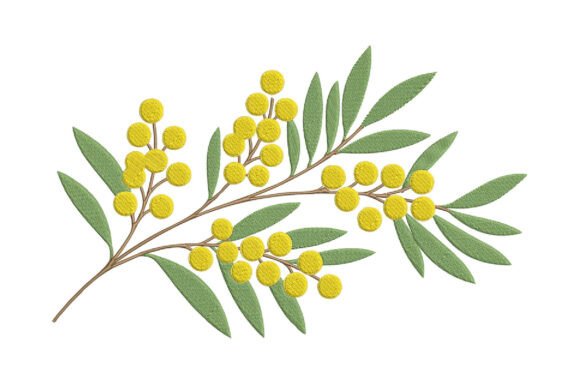
The design features a long leafy branch dotted with small berry-style flowers in a soft yellow palette. It is not overly bold or aggressively trendy. Instead, it reads as timeless botanical art, the kind of motif that works for farmhouse kitchens, modern gift shops, and whimsical handmade boutiques alike. That versatility is gold when you are hauling a table full of embroidered pieces to a craft fair where your customers range from young shoppers hunting cute pouches to seasoned buyers looking for an elevated tea towel.
From a designer’s view, the linework and shaping of the leaves feel natural without being fussy. The yellow berries add a spot of warmth that pulls the eye straight to the center of whatever product you stitch it on. I immediately judged it as a soft decorative accent rather than a large statement graphic. For a craft fair seller, that means this machine embroidery design can flex between fresh, minimal styling and a more layered, bohemian booth aesthetic simply by changing the blank you pair it with.
Where This Design Shines on Craft Fair Products
Because the Botanical Branch Embroidery Design has a graceful, elongated shape, I tested it mentally across the items I always bring to a show. The results were encouraging.
- Tote bags and market bags. A single stitching along the lower corner of a canvas tote instantly turns a plain utility bag into a giftable handmade product. The branch flows beautifully with the vertical line of the bag, and the yellow berries add just enough contrast on natural or oatmeal fabric.
- Tea towels and kitchen towels. This is where I expect the design to outsell everything else. A crisp linen or flour sack towel with the branch stitched near the hem looks like a high-end boutique find. Customers at craft fairs pick up textile goods first, and a piece with delicate botanical embroidery feels worth the price tag.
- Apron embroidery. I would place this design on the bib of a linen apron or along the pocket edge. It reads as intentional and refined without screaming for attention, exactly what a hostess gift or a baker’s favorite apron needs.
- Fabric pouches and small zip bags. The design scales down nicely for a small makeup bag or a pencil pouch. I would use it as a decorative front accent, keeping the composition simple so the leaves and berries remain the focal point.
- Pillow covers and home decor. A single branch on a neutral pillow cover can anchor a whole display. Pair it with a few dried stems on your booth table and customers will see the complete look instantly.
- Embroidered patches and caps. I am cautious with curved surfaces, but as a standalone patch the branch could work on a jacket or a structured hat if you keep the patch size generous and the stabilizer firm. The design’s outline nature would show up well on a twill patch blank.
In every scenario, the embroidered product feels elevated. That is a direct advantage when you are competing with mass-produced items at a market. Handmade has to look intentional and beautifully finished, and this design helps achieve that without forcing you into complex multi-hoop projects.
Display and Photography: Making the Botanical Branch Pop
Craft fair success starts long before the doors open. Your booth display and online listing photography decide whether a buyer stops or scrolls past. The Botanical Branch Embroidery Design photographs beautifully because its fine details and subtle yellow accents create gentle movement on fabric.
I would build my booth story around a natural palette—think raw wood risers, neutral linens, and a few dried floral stems in soft browns and muted yellows. The embroidery ties into that story instantly. For Etsy sellers and small shop owners, the listing photos benefit from close-ups that show the berry stitch texture and the leaf veining. A flat lay with a sprig of real baby’s breath or dried lavender would make a lifestyle image that converts. Because the design is not overly complex, the thumbnail still reads clearly from a distance, which is critical for search browsing.
I also recommend creating a printable mockup from your stitched sample. A high-quality digital image on a pillow or a tote bag mockup can be used for instant product listings or even as a pre-order showcase before you commit to a large production run. The design’s long, lean shape works well in rectangular framing, so no awkward cropping issues here.
Batch Production and Practical Stitching Notes
When you are prepping for a market, you need designs that are repeatable and reliable. I would batch-stitch this design on a single hoop size multiple times, running five to ten towels in one afternoon with confidence. The linework is clean, and the color changes appear manageable—mostly greens with small pops of yellow. I can already see that a single color variation would also work beautifully if you wanted a monochromatic version for a modern monochrome collection.
Before committing to a production run, I always do the following, and I suggest you do the same with this embroidery file:
- Test on scrap fabric. Run the design on a piece of the exact blank fabric you plan to sell. Stitch density and tension behave differently on linen versus canvas versus twill.
- Check thread contrast. The yellow berries may need a slightly darker or brighter shade depending on your base fabric. On natural unbleached cotton, a soft butter yellow reads well; on bright white, you might want a touch more saturation.
- Review spacing. The leaves and berry clusters should maintain clear separation after stitching. If the preview shows very narrow gaps, verify the stitch direction and possibly adjust your machine’s pull compensation for cleaner edges.
- Inspect stitch density. Dense satin berries can pucker lightweight fabrics. Use a quality cutaway stabilizer on lightweight knits and a tear-away on wovens, and do one test to see if the fabric lies flat without pulling.
- Confirm commercial licensing. Before you sell any finished product made with this digital embroidery file, make sure your purchase includes the necessary rights for commercial finished goods. Not every file is automatically approved for resale, so double-check the terms from the Bouquets category or the seller’s license page.
Avoiding Pitfalls: Stitch Density and Fabric Choices
No design is flawless on every material, and the Botanical Branch Embroidery Design benefits from thoughtful blank selection. Based on the preview elements, here are the careful-use notes I would keep in my production binder.
Tiny details. The yellow berry-style flowers are likely composed of small filled areas. On textured towels, looped terry cloth, or heavy slub fabrics, those tiny segments can sink and lose definition. Stick to smooth, tightly woven fabrics for the cleanest result—flour sack cotton, quilting cotton, linen, and soft twill are your allies.
Dark fabrics. A delicate branch design with subtle yellow accents can look muddy on black or charcoal bases unless you dramatically lighten the thread palette. I would test on a dark swatch before committing, or I would keep the design for light and medium tones where the natural leafy greens and buttery yellows naturally sing. If your craft fair booth leans moody or industrial, you could consider a white or cream version stitched on a dark denim tote, but I would personally keep the botanical feel on earthy, sunlit blanks.
Curved cap surfaces. If you plan to stitch this on a ball cap, be aware that the long branch shape might distort near the seams. I would digitize a condensed patch version instead or use only the front panel and reduce the size carefully. Small lettering is not an issue here because the design includes no text, but if you add personalization later, keep it clean and minimal near the branch.
Dense stitch areas. The leaves might have heavy fill areas depending on the digitizer’s approach. A proper underlay and a sharp needle will prevent thread breaks, but I always watch the first run closely. Any dense section that feels stiff on fabric should be evaluated; you want the finished product to remain soft and wearable, not plasticky or board-like.
These notes are not deal-breakers. They are simply the kind of practical wisdom that separates a polished commercial embroidery project from a frustrating trial-and-error session. Trust me, your market table looks stronger when every piece is consistently well-stitched.
Final Thoughts for Your Handmade Booth
After evaluating the Botanical Branch Embroidery Design from every angle that matters to a working maker, I can say it is a smart, beautiful addition to any craft fair lineup. It leans into the nature-inspired, organic trend that never really fades, and its soft yellow accents give it a fresh point of visual interest that customers notice. Whether you are building a whole collection of tea towel embroidery sets, a line of tote bag designs for spring markets, or small-batch handmade products for a boutique pop-up, this design will consistently project quality and care.
For Etsy sellers and digital sellers selling finished goods, the finished product photographs become your best marketing asset. A clear, well-lit image of this branch on a linen pillow or a folded towel conveys warmth and craftsmanship without shouting. In a crowded feed, subtlety often wins the click, and this design is exactly that kind of understated, premium visual.
I would confidently stitch this on a run of twenty market bags and know I would sell half before lunch on Saturday. It’s the sort of design that customers pick up, smile at, and immediately imagine in their own home. And that, for a craft fair seller, is the truest test of a great embroidered patch or machine embroidery design—does it make someone want to hold it, own it, and gift it? The Botanical Branch Embroidery Design does. Load your hoop, choose a beautiful blank, and let this branch do the talking at your next show.