Beach Seashell Embroidery: A Designer's Honest Review
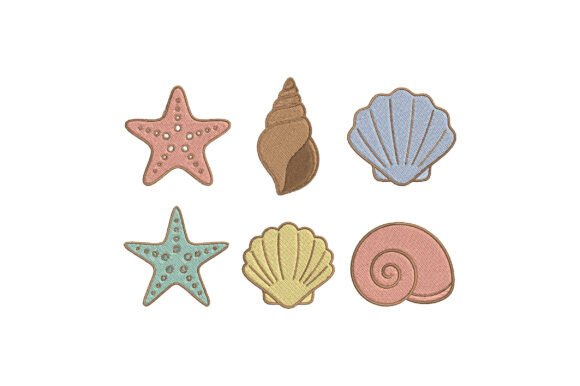
I needed a fast, breezy set of embroidered linen pouches for a client's seaside boutique—something subtle but instantly beachy, nothing cutesy or overdone. A friend pointed me toward a digital collection called Beach Seashell Embroidery, a little pack of six nature-inspired motifs that promised starfish, scallop shells, a spiral whelk, and a couple of other delicate marine elements. I wasn't looking for complex photorealistic shells; I wanted soft, well-stitched shapes that could sit quietly on textured natural linen and still read clearly. I loaded the first design onto my machine with cautious optimism, and I'll walk you through exactly how that test panned out—what worked, what surprised me, and where I'd use this set with total confidence in a real small business product lineup.
Instant Personality Without the Clutter
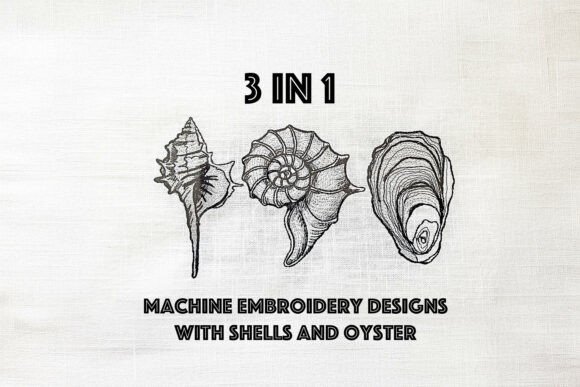
Opening the design files, the mood felt immediate. The digitizer clearly understood that beach embroidery usually looks best when it breathes a little—open curves, clean outlines, just enough fill to define a shape. The scallop shell, for instance, uses a mix of satin edge and light fill that creates a gentle ridged texture without turning into a heavy block of stitches. The starfish has delicate point details that look almost like a hand-drawn illustration, and the spiral shell catches the light beautifully in my test stitch simply through smart stitch angle choices. The whole Beach Seashell Embroidery set leans into that soft coastal aesthetic, the kind of vibe that sells well on Etsy for neutral nursery blankets, beach wedding favors, and linen market totes.
I tested the spiral shell first, because spiral details tend to reveal digitizing shortcuts fast. If the stitch direction wobbles or the density packs too tightly at the center, the whole thing curls on fabric. This one didn't. The center swirl stayed flat on a medium-weight linen after just one layer of tear-away stabilizer, and the column widths kept consistent tension. That level of precision tells me the digitizer actually stitched these out themselves, which matters when you're investing in a commercial embroidery design for products you'll sell.
A Quick Tote Bag Test Tells the Real Story
My main use case was a set of 18" x 15" natural linen tote bags. I hooped one panel with a medium-weight cut-away stabilizer, positioned the scallop shell off-center near the bottom corner, and chose a thread color that mimicked sun-bleached driftwood—a warm, pale tan. The first stitch-out gave me exactly the low-key elegance I wanted. The shell looked tactile but not heavy, the sort of understated mark that makes a buyer feel they've found a thoughtful handmade product. I washed the tote bag once on gentle and air-dried it; the stitches held shape perfectly with zero puckering around the perimeter. That little test gave me the confidence to scale the motif across three more bag colors using the same design, just swapped thread tones.
For anyone wondering about complexity, the average machine embroidery design in this set runs fast. On my single-needle, the scallop motif stitched out in under nine minutes at 600 stitches per minute. The starfish took even less time, making these ideal for a production run of custom apparel, linen tea towels, or kitchen towels where you need consistent output without burning an entire afternoon per item. The Beach Seashell Embroidery set seems purpose-built for small-shop efficiency.
Where the Design Feels Most at Home
After working with all six elements across different samples, a few product types rose to the top as natural fits. These aren't flamboyant nautical graphics—they're quieter, more organic, and that shapes where they land best:
- Linen and cotton tea towels: the shell motifs sit beautifully on a natural woven texture and add just enough detail to make a simple towel feel like a boutique kitchen gift.
- Baby onesies and crib sheets: soft stitch density means the fabric stays flexible, and the seaside theme works wonderfully for nursery decor, especially in muted coral, sand, or seafoam thread tones.
- Embroidered patches: tested on a medium twill backing with a merrowed edge, the starfish and spiral shell made sweet little sew-on patches for a kids' summer camp backpack project. Crisp enough to read at pocket size.
- Canvas pouches and zipper bags: paired with a bit of visible linen texture, these designs create a high-end, handmade product that photographs well for Etsy listings and craft fair display tables.
- Holiday gift sets: a set of two shells embroidered on a pillow cover or a simple throw blanket cuff adds a coastal memory feel without being overtly seasonal, which keeps the item sellable year-round.
I also see value in printable mockup use. If you sell embroidery files or finished embellishments online, stitching one element onto a simple swatch and photographing it against a beachy flatlay creates a consistent brand aesthetic that builds customer trust. The visual personality here is relaxed, clean, and easy to style—no need for complicated props.
Caution Areas That Protect Your Product Quality
No savvy designer drops a new design onto every project without doing a quick compatibility check. With Beach Seashell Embroidery, a handful of situations demand extra care. I learned through my own thread-snapping moment that those fine starfish points will push the limits of a tiny 4x4 hoop if you don't verify the design's actual stitch field. Some elements might technically fit, but the sewing field margin gets dangerously narrow, and the needle can strike the hoop edge during satin border passes. Check your maximum stitch width before choosing the smallest hoop size—don't guess.
On highly textured fabrics like terry cloth or thick fleece, the shell details can lose crispness, especially the spiral interior lines. If you must stitch on a loopy towel, float a layer of water-soluble topper and choose a darker thread to maximize contrast. Thin, silky fabrics present the opposite issue: the satin columns might feel slightly dense, so use a sharp needle and a light, no-show mesh stabilizer to avoid pulling. Stretchy garment fabrics like ribbed knit caps or performance tees require a solid cut-away stabilizer and possibly a basting spray; otherwise those delicate shell outlines may distort during wear. I wouldn't hesitate to put this on a structured cap, but I'd avoid the stretchy crown area and keep the design placement on a stable front panel only.
Dark fabrics—midnight blue, charcoal—deserve special attention. Some lighter shell colors may blend into a dark background if you're using pastel thread. My fix: stitch a sample on black cotton and evaluate in natural daylight, not just under your machine lamp. A slight thread color swap from soft ivory to warm ecru often resolves faded readings. And always check how the design looks stitched out at the size you'll actually sell, not just at the size it appeared in the product preview. I scaled the scallop shell down by 15% for a baby apron, and it remained clean, but any smaller and I'd worry about those radiating lines closing up.
Stabilizer, Thread, and Setup Quick Notes
For most medium-weight woven cottons and linens, one layer of medium cut-away stabilizer worked flawlessly. I hooped the stabilizer with the fabric floated on top for tote bags, and I hooped directly fabric-to-stabilizer for apparel patches. Thread choice makes a massive difference in how the beach theme reads: a matte polyester in sand, oyster, seafoam, or driftwood gray feels authentic; a glossy rayon could cheapen the natural shell texture. I'd stick to 40-weight embroidery thread unless you're deliberately seeking a chunkier artisan look.
Designs like these use a thoughtful mix of satin stitch, fill stitch, and some delicate running stitch outlines. That means you should watch overall stitch density if you're combining multiple shell elements on one project. My tote bag with three scattered shells looked beautifully balanced, but layering all six close together on a small pillow would create a dense block that demands an extra-sturdy stabilizer and possibly a different needle type to prevent skipped stitches.
Commercial Sense and Small Shop Smarts
A major factor for anyone running a craft business is how well a machine embroidery design translates into a finished product that buyers trust. From a customer perspective, the Beach Seashell Embroidery set hits a sweet emotional note: it suggests calm, memory, organic beauty—without screaming "tourist shop." That subtlety raises the perceived value of a tote bag from a simple carrying item to a giftable accessory. On an Etsy product listing, the visual result looks clean even when photographed by a phone camera, provided your lighting is decent. I noticed that the shapes maintain visual clarity in thumbnail size, which matters immensely for mobile shoppers scrolling fast.
However, no designer should ever assume commercial use permission without verifying license terms. I always recommend pulling up the exact terms before selling any finished product that features an embroidery design you didn't digitize yourself. Ask whether the license covers handmade physical items for sale, limits the number of productions, or requires attribution. Some design sets permit unlimited small business use, while others restrict digital resale or modifications. I didn't see explicit license details in the product listing I received, so I'd confirm that directly with the creative owner before listing a batch of shell-stitched pillowcases on your shop page. A simple email or licensing note can save a painful takedown later.
If you're a digital product seller who bundles emb